Durability and setup, straight up
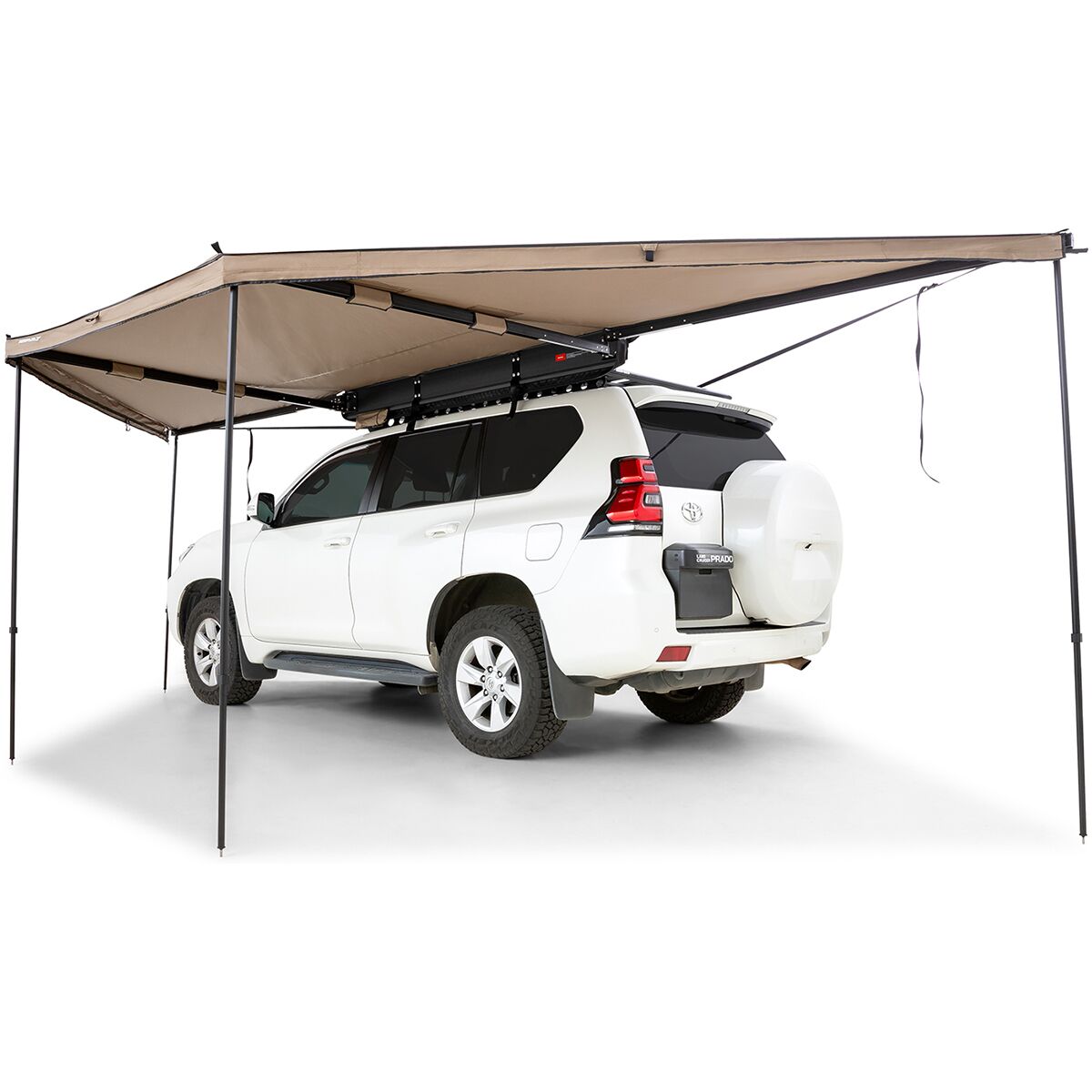
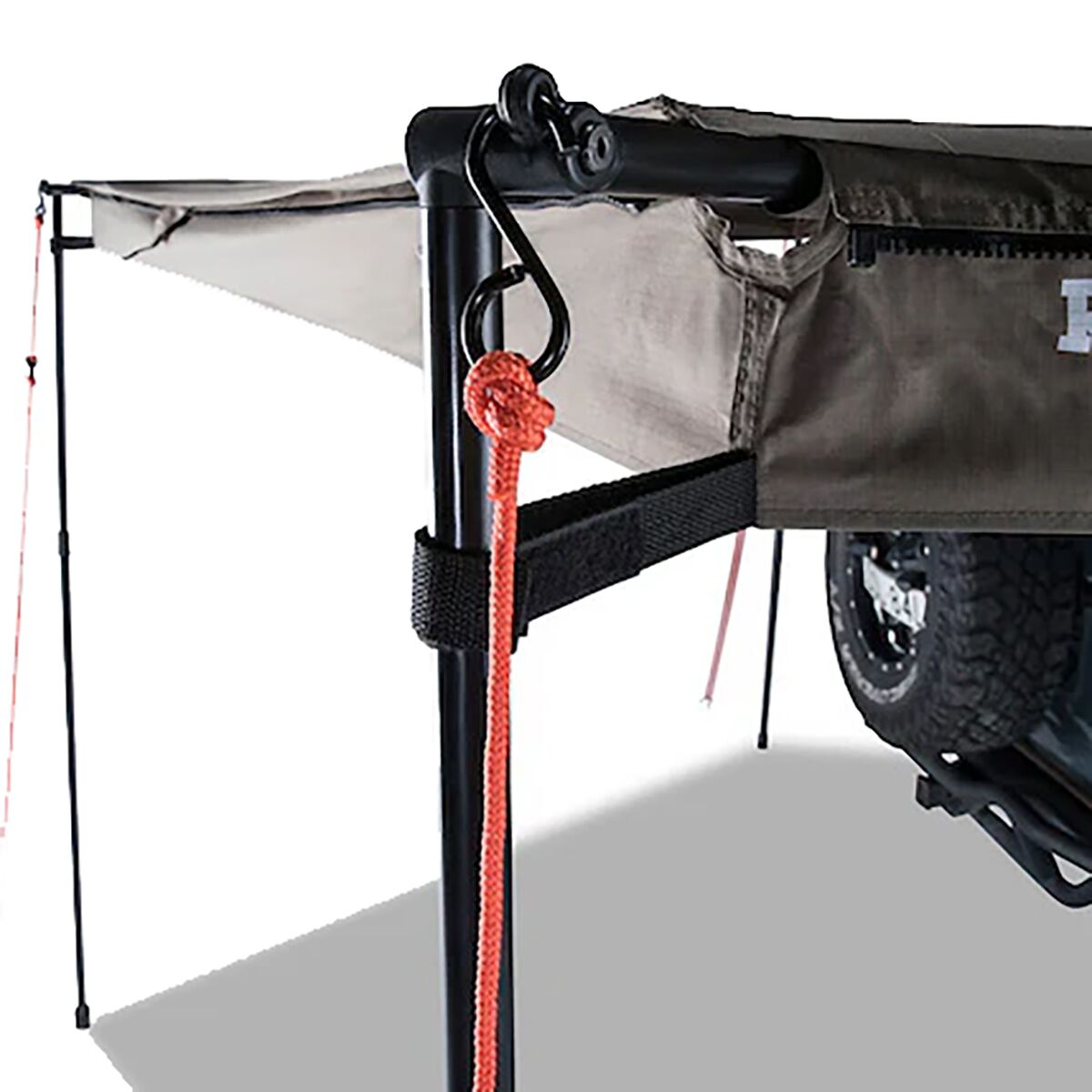
Rhino-Rack awnings are a strong pick for camping rigs when your priorities are durable materials and a fast, low-fuss setup. The Rhino-Rack 180 Freestanding Awning uses rugged ripstop polycotton canvas with UV protection and 2000mm water resistance, so it is built to handle sun, showers, and the kind of weather swings that show up right when coffee hits the stove.
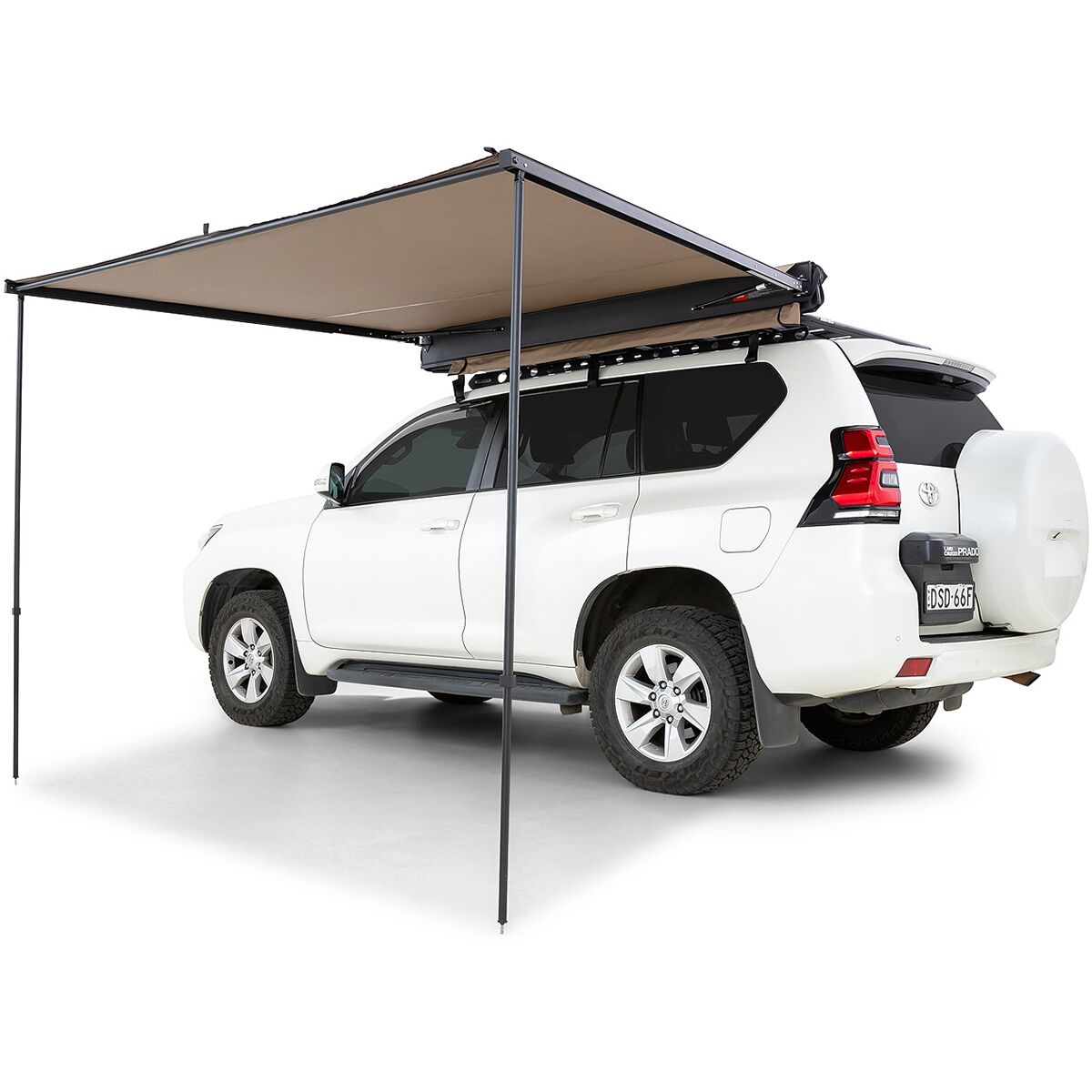
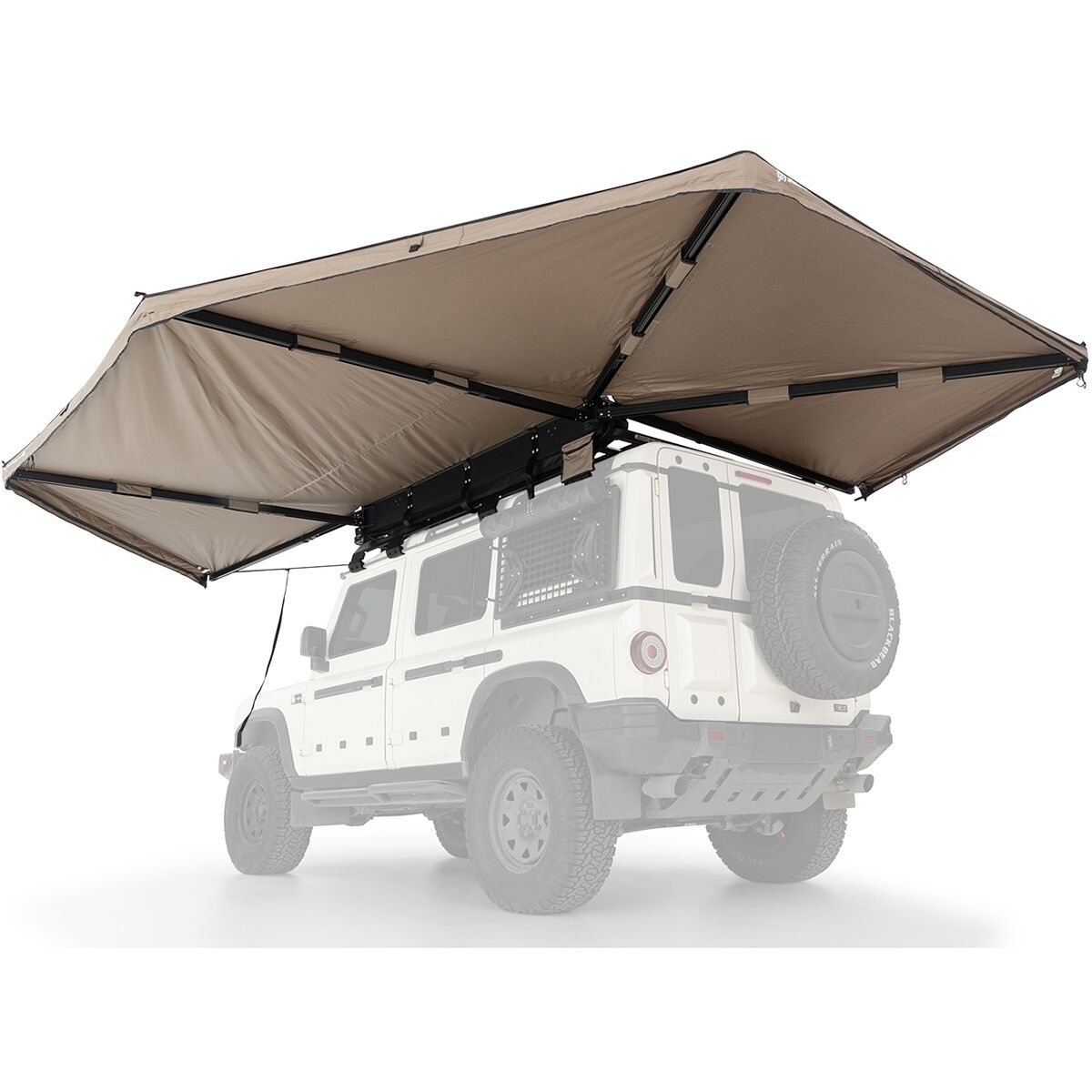
On the setup side, the big story is the freestanding design. That means you get broad coverage without relying on a maze of poles and extra tie-downs just to get shade overhead. It deploys quickly from its storage bag and comes with mounting gear, guy lines, and optional poles for added security when conditions call for it. For anyone building a camp that works hard and packs clean, that matters.
The result is a more usable camp footprint with less setup friction. You can pull in, swing out coverage, and get on with cooking, wrenching, or kicking back before the next lap, paddle, or trail mission. With 90 square feet of coverage, it creates a legit shelter zone off the side of your rig while keeping the process simple enough for quick stops and longer stays alike.
How this awning stacks up on the metrics that matter
When shoppers compare awnings, the usual pressure points are material toughness, weather coverage, setup complexity, and usable shelter space. The Rhino-Rack 180 Freestanding Awning checks those boxes with a build aimed at real camp use, not just fair-weather parking-lot duty.
- Durability: Rugged ripstop polycotton canvas is designed for repeated use and rougher conditions.
- Weather readiness: UV protection and 2000mm water resistance help keep camp more comfortable through sun and rain.
- Ease of setup: A freestanding layout cuts down on immediate pole management and extra tie-down dependence.
- Coverage: 90 square feet creates a substantial shaded zone for cooking, regrouping, or waiting out a squall.
- Included components: Mounting gear, guy lines, and optional poles give you what you need to get it secured.
What that means at camp
In practical terms, this is the kind of awning that helps your rig feel more like a mobile basecamp. You get quick deployment when the sun is cooking the trailhead, and you have the tools to lock things down when the weather shifts. If your comparison list is built around dependable fabric, straightforward setup, and meaningful coverage, this one lands in the zone serious campers usually care about most.
What to look for in an awning for your rig
When you are choosing an awning, start with the two things that shape camp the most: weather protection and setup style. If your trips include exposed trailheads, desert heat, lakeside wind, or surprise squalls, fabric matters. A ripstop polycotton canvas with UV protection and water resistance can offer more dependable shelter in changing weather.
Next, think about how you actually use your vehicle at camp. A freestanding awning makes sense for quick lunch stops, overnight missions, and basecamp setups where you want coverage fast. It keeps the transition from driving to hanging out smooth, and it can reduce the amount of hardware you need to manage right away.
Choose based on camp flow
- Quick roadside breaks: Prioritize fast deployment from a compact storage bag.
- Longer camp sessions: Look for included guy lines and support options for added security.
- Group hangouts: Bigger coverage helps create a more functional cooking and recovery zone.
If your goal is a cleaner setup routine and dependable shelter, focus less on hype and more on coverage, fabric toughness, and how many steps it takes to go from parked to protected.
Why shop awnings at Backcountry
Dialing a camping rig is all about details that work when the road gets rough and the weather gets weird. That is why Backcountry keeps the focus on gear that earns its spot on the vehicle, not just gear that looks good in the driveway. From shelter systems to camp tools, we are here for setups that pull real weight outside.
If you want a second opinion before you bolt anything on, talk to a Gearhead® Expert. They can help you think through coverage, camp style, and how an awning might fit into the rest of your setup. Less guesswork, more time under solid shade.
Shop with Backcountry when you want sharp selection, real expertise, and camping gear built for the long haul.
Why Buy the Rhino-Rack 180 Freestanding Awning from Backcountry?
When you are upgrading your camp setup with the Rhino-Rack 180 Freestanding Awning, Summit Club+ ($49/yr) adds value on every purchase with 10% instant cash back on full-price and sale items. Your cash back posts immediately after purchase, and a single order over $490 recoups the membership fee entirely.
- Instant cash back — posts right after purchase, not once a year
- Earns on sale and clearance items — unlike most retailers, rewards are not limited to full-price gear
- Redeem on anything — use your cash back on full-price and sale items alike, with no restrictions
- Free 2-day shipping on orders $150+
- Your own dedicated Gearhead Expert — personal gear advisor via chat, phone, or text
- 20% off birthday discount plus early access to deals and new gear drops
- Partner Perks — $100 off Mountain Collective passes, $140 off Outdoorsy, free USA Cycling membership
- 365-day satisfaction guarantee — full refund on membership within a year, minus any cash back redeemed