When your rope feels off, don’t brush it off
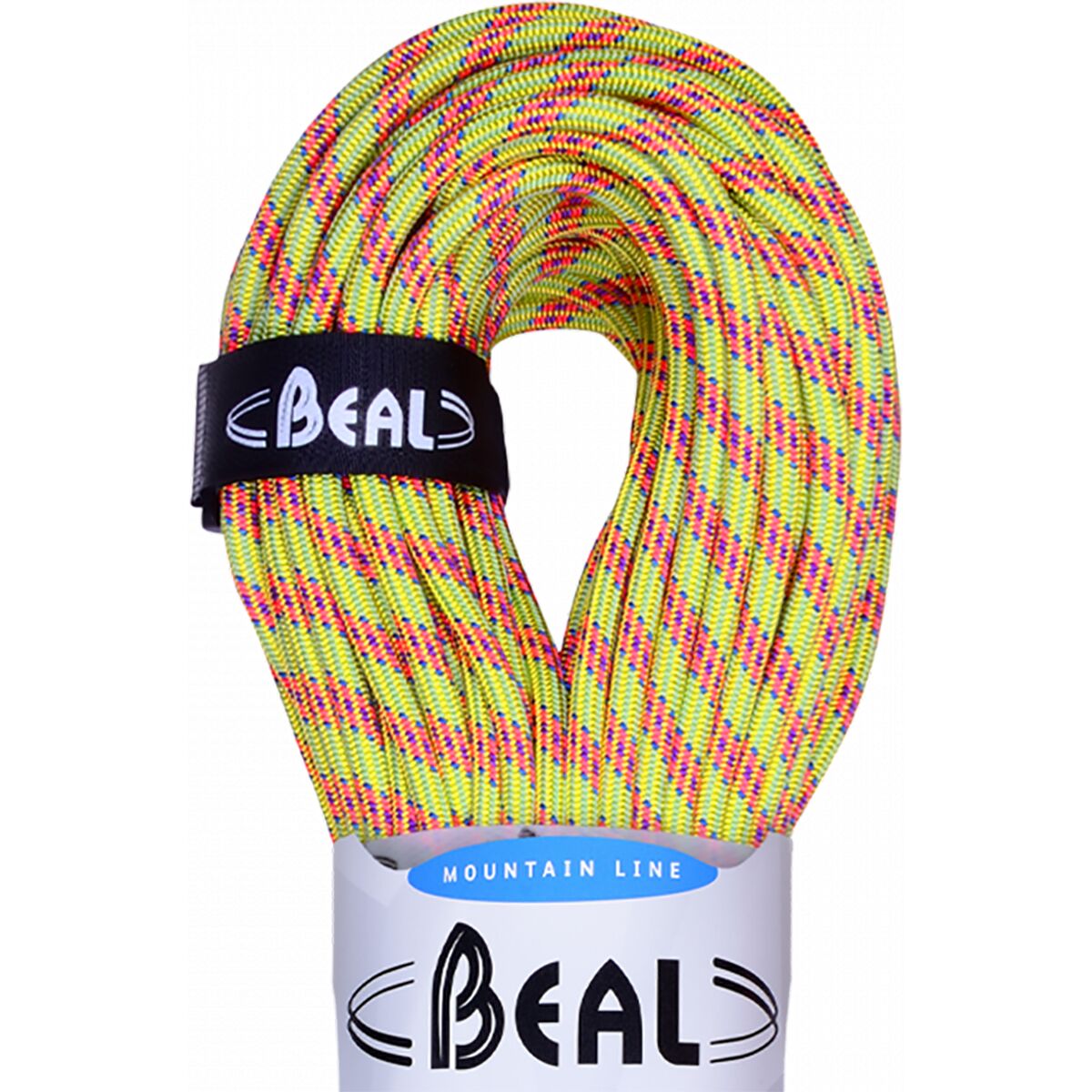
Climbing on a Beal Ice Line 8.1mm Rope that seems unusually stiff or heavily fuzzy calls for caution. Those signs can be worth a closer look, so consider inspecting the rope carefully and checking the manufacturer’s guidance before use.
This model is designed as a slim, lightweight tool with low impact force, which matters when you find yourself on a sketchy belay ledge. It is also built with Dry Cover and Golden Dry to shed water and be less likely to freeze when you’re scaling a glacial face. Those features may help in wet, cold conditions, but it’s still worth checking your rope’s condition before climbing.
If your rope seems off, consider checking the manufacturer’s care guidance before use. If you have concerns about the rope’s condition, consider reviewing any available manufacturer care information before further use. In practical terms, if the rope seems compromised, consider consulting the manufacturer’s guidance or a qualified expert. When in doubt, consider getting a second opinion before committing to the next pitch.
Why climbers reach for this rope
The Beal Ice Line 8.1mm Rope is all about moving light without giving up key mountain performance. At 8.1mm and only 42 grams per meter, it trims bulk from the pack and keeps the system lighter in hand, which is a big deal when every gram starts feeling loud on long approaches or technical ice days.
Its other big play is how it manages harsh conditions. The combination of Dry Cover and Golden Dry gives it a dual dry treatment that helps the rope shed water and stay less likely to freeze. That matters when the route is cold, wet, and not interested in making life easy. A rope that resists soaking up moisture is simply better suited to glacial faces and winter objectives where frozen handling can turn smooth movement into a wrestling match.
What those features are meant to do
- Low impact force helps reduce harsh loading in the system.
- Lightweight construction supports fast-moving alpine and ice missions.
- Dual dry treatment helps maintain performance in wet, freezing environments.
- Slim 8.1mm construction keeps bulk down.
That is the lane for this rope: light, technical, and built for cold-weather climbing where water management matters. If the rope still looks and feels consistent, those features are exactly why it earns a spot on serious days out.
How to think about wear before you climb
With a rope this slim and mountain-focused, the smartest move is paying attention to consistency. You are not just looking for whether it is still one piece—you are looking for whether it still feels and handles like the same rope from end to end. If one section feels noticeably different, that change deserves a hard look.
- Run the rope through your hands. Look for sections that feel unusually stiff, flat, or dead compared to the rest.
- Check the sheath visually. Excessive fuzziness can point to meaningful abrasion, especially if it is concentrated in one area.
- Think about the objective. Cold, wet, glacial terrain asks a lot from a rope, even one built to shed water and resist freezing.
- Match the tool to the day. A lightweight rope is a strong call for technical missions, but only when its handling remains consistent.
The key is not panic—it is pattern recognition. A little wear is one thing. A section that no longer seems to move or stretch like the rest is another. Because this rope is designed for low impact force and harsh alpine conditions, any sign that it may not behave predictably under load should move from "maybe fine" to "worth stopping for."
When to get another set of eyes
If you are debating whether a worn section is cosmetic or consequential, that is a good time to talk it through with a Gearhead® Expert. Sometimes the best send is the one that starts with a careful check, not a rushed tie-in.
Why shop Backcountry for climbing questions like this
Climbing gear decisions are rarely just about specs on a screen. They are about whether the tool still makes sense for the route, the conditions, and the margin you want when things get serious. That is where Backcountry comes in.
We are gear-forward on purpose. The conversation starts with performance: weight, handling, water resistance, and how a piece of kit fits the objective. For a rope like the Beal Ice Line 8.1mm Rope, that means understanding why a slim build, low impact force, and dual dry treatment matter—and why visible wear matters just as much.
If you want a second opinion before racking up, connect with a Gearhead® Expert. You will get real guidance from someone who speaks climbing, respects the stakes, and knows that confidence in your system is not the place for guesswork. Sharp gear calls, fewer question marks, better days in the mountains.
Why buy your Beal Ice Line 8.1mm Rope from Backcountry?
Backcountry works through direct relationships with many of the outdoor industry’s most respected brands, so gear like the Beal Ice Line 8.1mm Rope is authentic and backed by the full manufacturer warranty. No gray-market goods, and no third-party sellers.
- Authorized dealer — including Patagonia, Arc'teryx, Black Diamond, Salomon, Scarpa, Specialized, Osprey, and hundreds more
- Full manufacturer warranty — products are sourced through authorized distribution channels, not unverified marketplace sellers
- Complete size and color runs — managed inventory with early access to new collections
- 90-day return policy — one simple, consistent process across every brand, including multi-brand orders
- No counterfeit risk — every item at Backcountry is vetted and fully warranted