Mineral Oil vs. DOT: What Changes on the Trail
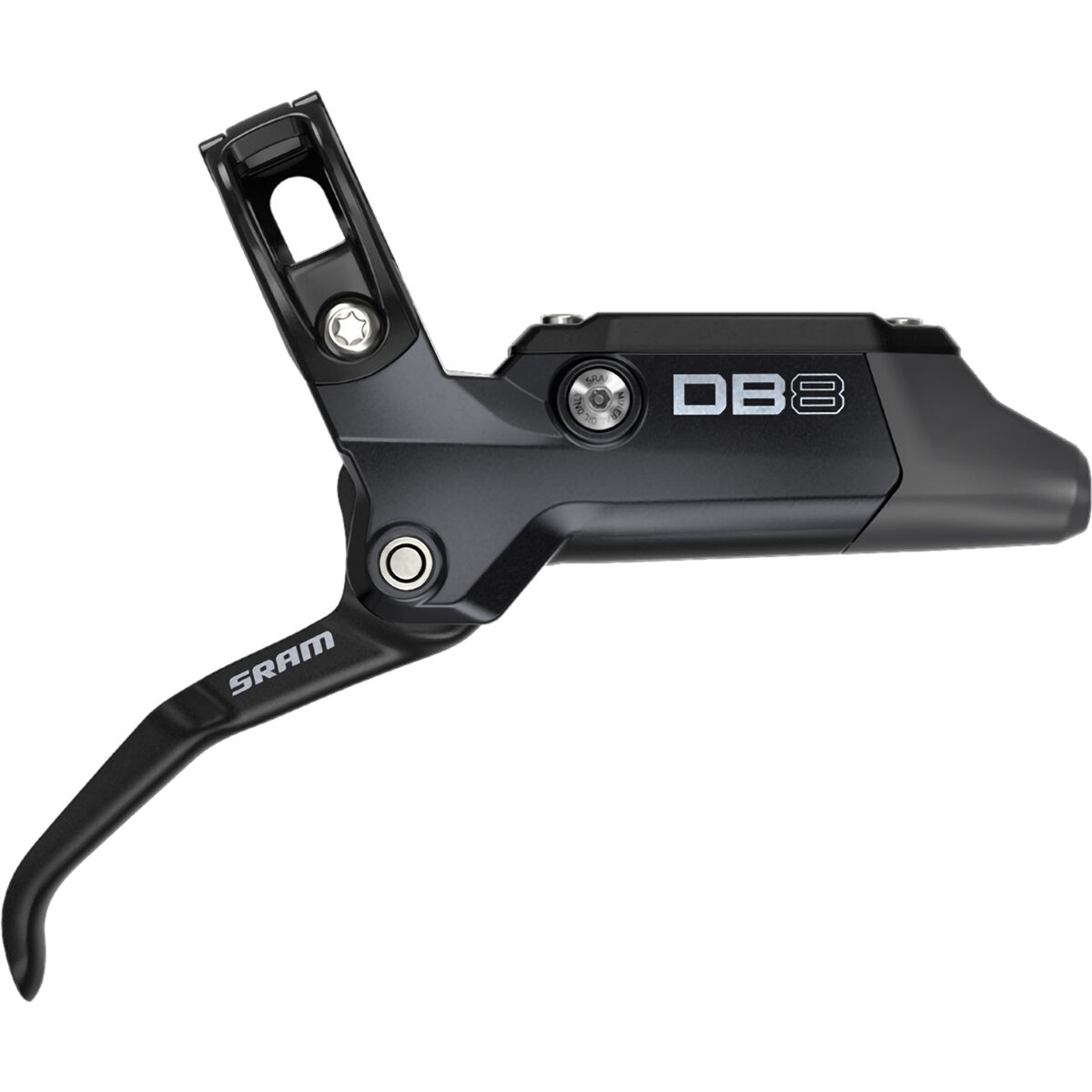
Yes—switching to a mineral-oil setup can improve the overall ride experience if you want strong braking with less maintenance. The SRAM DB8 Disc Brake uses SRAM’s first mineral-oil braking system, and that change means the brakes only need to be bled every other year. That’s a big shift from SRAM’s other brakes, which need bleeding at least once per season.
Performance isn’t just about raw power. It’s also about how consistently your brakes are ready to work when the ride gets rowdy. The SRAM DB8 Disc Brake is built for trail and enduro riding, with a simple design and serious stopping power. SRAM says it delivers 90% of the stopping power of their top-tier Code RSC disc brakes, so the move to mineral oil doesn’t mean giving up much in the power department.
If your idea of better performance includes less time in the stand and more time riding, this setup makes a strong case. You’re getting a brake designed to handle demanding terrain while cutting down on routine bleed intervals. That’s not flashy marketing glitter—it’s a practical upgrade for riders who want dependable control without adding extra wrench time to every season.
Why Riders Are Into This Setup
The SRAM DB8 Disc Brake keeps things refreshingly straightforward. Its simple design is part of the appeal: less fuss, less second-guessing, and a clear focus on what matters when the trail points down—control. For riders chasing confident braking on enduro laps or long trail days, that kind of simplicity is a feature, not a compromise.
The headline benefit is strong stopping power. SRAM positions this brake as a performance option, and the numbers back up the intent: 90% of the stopping power of their top-tier Code RSC disc brakes. That puts the SRAM DB8 Disc Brake in a sweet spot for riders who want real braking muscle without overcomplicating the setup.
- Built for trail and enduro: ready for demanding riding where braking matters.
- Simple design: easier to live with when you want less garage drama.
- Mineral-oil system: longer bleed intervals than SRAM’s other brakes.
- Serious power: strong braking performance for committed descents and technical terrain.
In other words, this is the kind of component that earns respect by doing its job without making a scene. Pull the lever, trust the power, keep rolling. That’s a pretty good deal for any rider who’d rather spend the day chasing dirt than chasing maintenance.
How to Decide if Mineral Oil Is the Right Move
Choosing between brake systems comes down to what kind of performance matters most to you. If you prioritize lower maintenance and want fewer bleed intervals, the SRAM DB8 Disc Brake makes a compelling case. SRAM’s mineral-oil system only needs to be bled every other year, which is a meaningful advantage for riders who want a more set-it-and-send-it routine.
If your riding leans trail or enduro, this brake is aimed right at that use case. That means it’s designed for riders who need dependable stopping power on demanding terrain, not just mellow spins where braking loads stay light. The SRAM DB8 Disc Brake is also a smart pick if you value a simpler design. Some gear wins by adding more knobs and complexity; this one wins by keeping the mission clean.
- Think about maintenance: if seasonal bleeding feels like a chore, mineral oil has clear appeal.
- Match your riding style: trail and enduro riders will get the most from this brake’s intended use.
- Consider your priorities: if you want strong power without a complicated setup, this brake checks that box.
Not sure if it fits your build? A Gearhead® Expert can help you sort through compatibility and riding goals without turning it into a science project.
Why Shop Brakes at Backcountry
Good components should make your ride better, not your decision harder. At Backcountry, we keep the focus where it belongs: on gear that performs and the details that matter when you’re building, upgrading, or fine-tuning your setup. The SRAM DB8 Disc Brake is a great example—purpose-built for real trail and enduro riding, with a maintenance story that makes a lot of sense for riders who’d rather be out pedaling than elbow-deep in the stand.
When you want a second opinion, a Gearhead® Expert is there to talk through your options like an actual rider, not a script. Whether you’re weighing maintenance intervals, braking power, or where this setup fits into your bike, you’ll get practical guidance from someone who speaks fluent component nerd—in the good way.
Smart gear choices, less guesswork, more ride time. That’s the whole play.
Why Buy Your SRAM DB8 Disc Brake from Backcountry?
Backcountry backs its pricing with a Lowest Price Guarantee — contact the team by chat, phone, or text to request a price match on identical items.
- Price match guarantee — if you find the same SRAM DB8 Disc Brake for less elsewhere, Backcountry will match it
- Seasonal clearance — shop deep discounts on prior-season gear throughout the year
- Permanent outlet section — always-available deals for riders and other value-oriented buyers
- 10% cash back stacks on sale prices — Summit Club+ rewards apply on clearance items too, unlike most retailers
- No pressure to overpay — Gearheads recommend the right setup for your riding, not automatically the most expensive option