Static rope is a strong option for canyoneering, rescue use, and hauling
This static rope is a strong option for hauling gear, anchors, canyoneering, and descending towers. For climbing scenarios, some users may prefer a dynamic rope for added stretch. For this rope, low elongation is useful for descending and hauling.
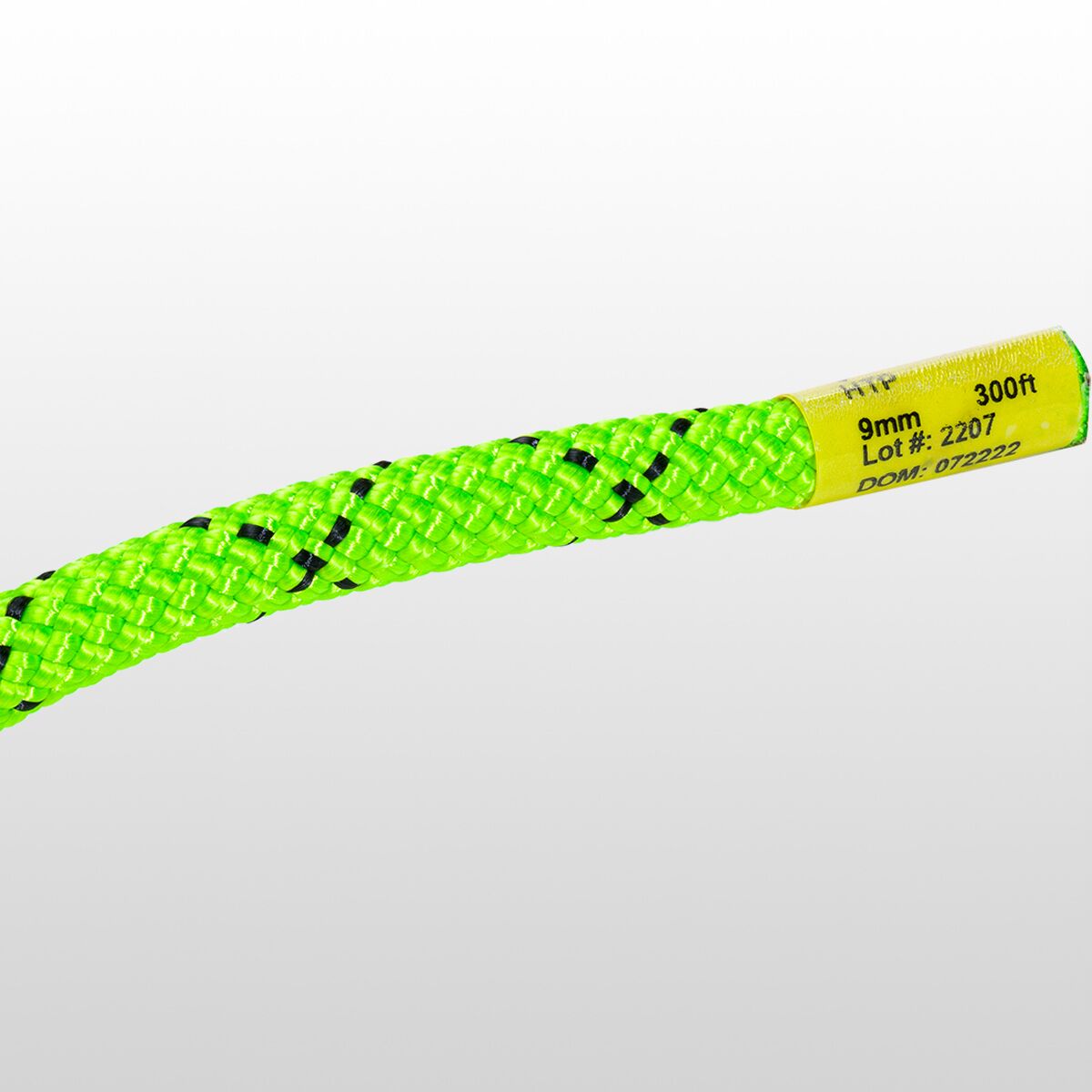
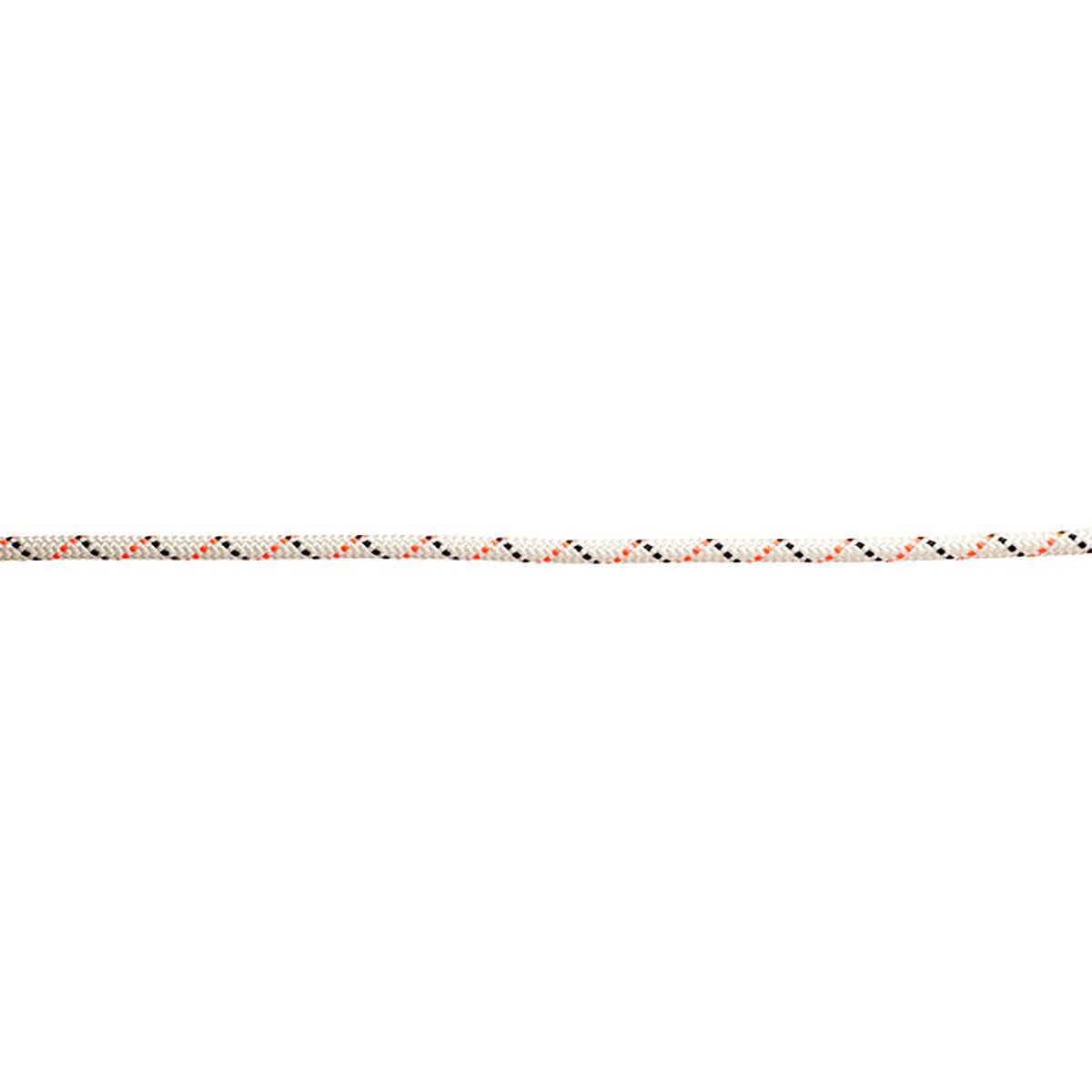
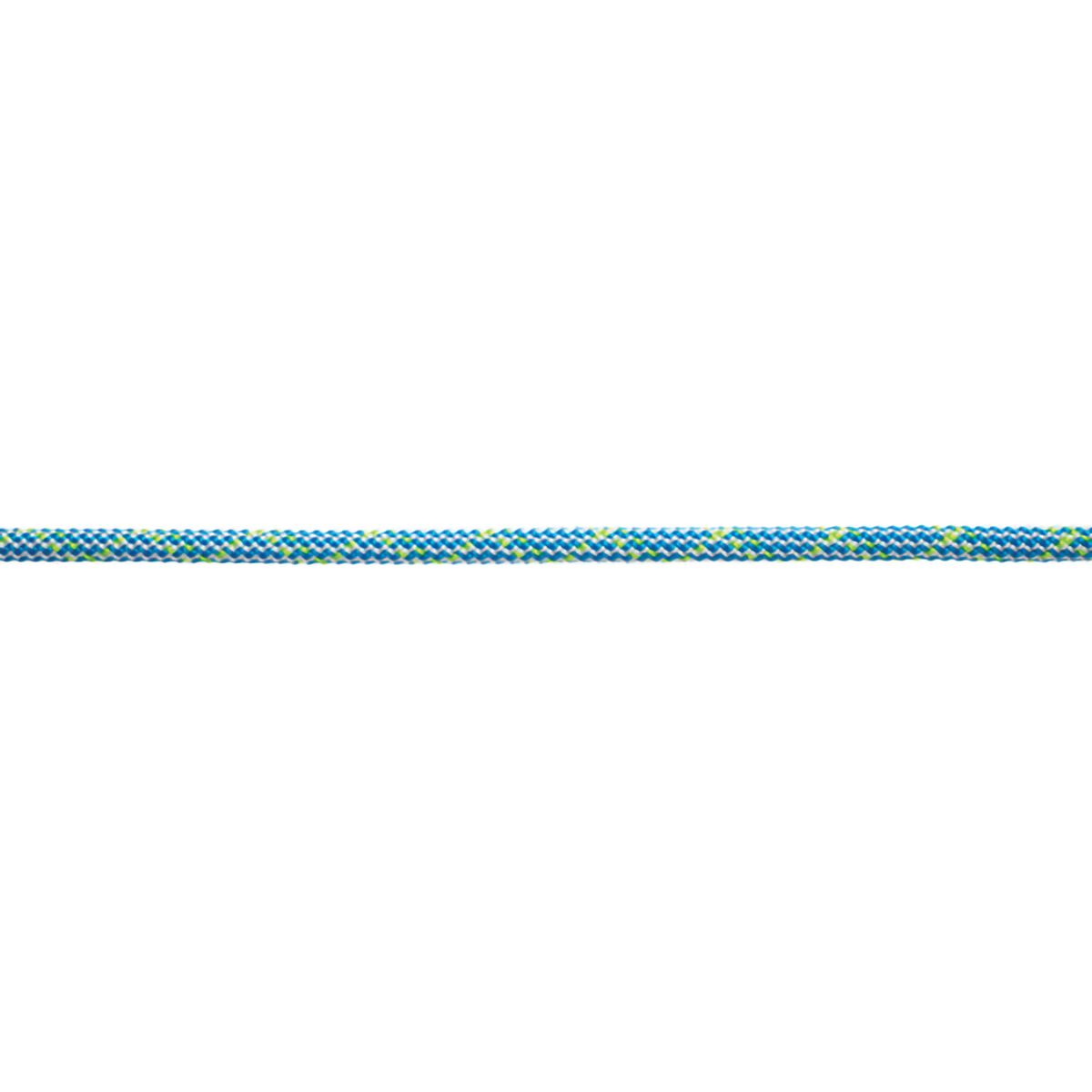
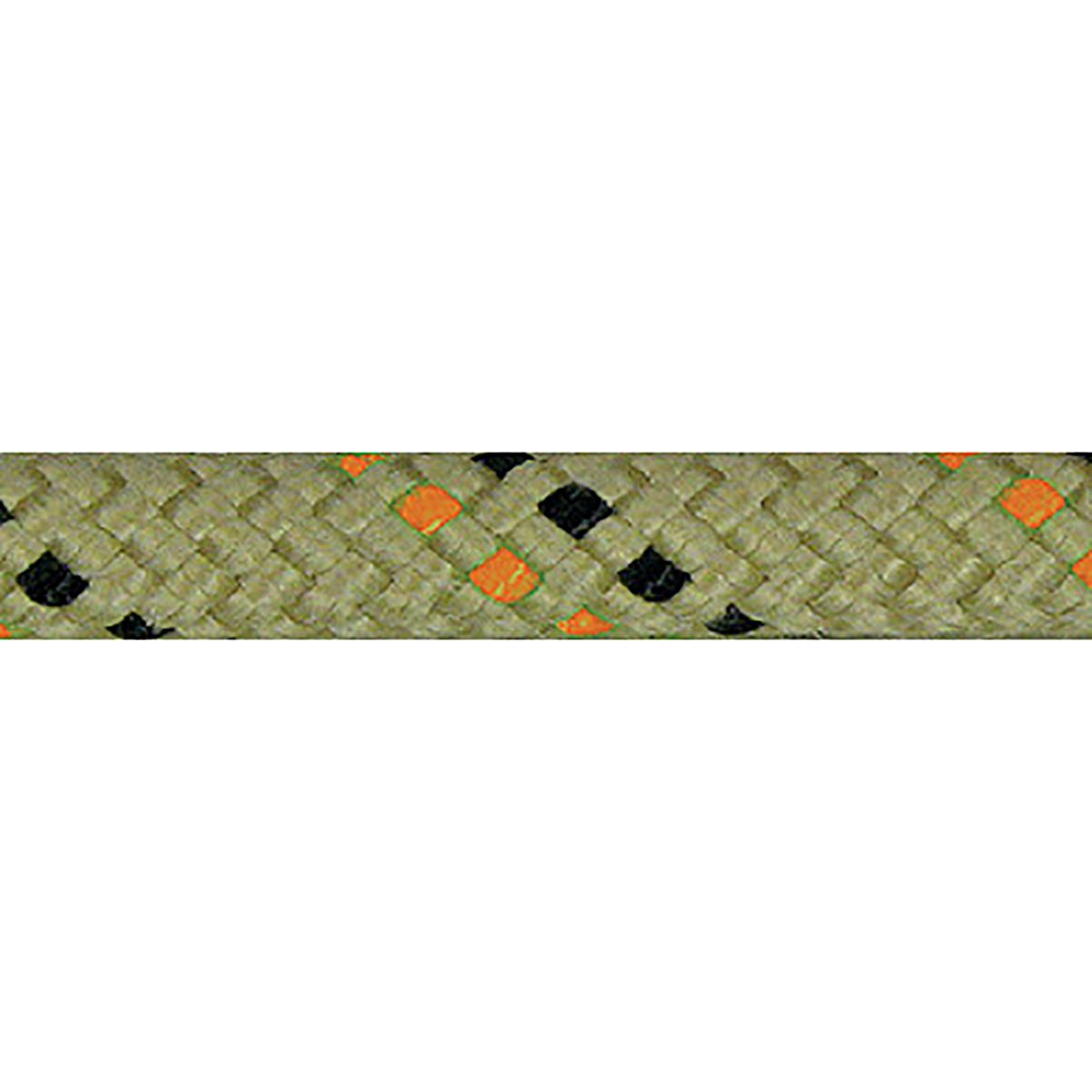
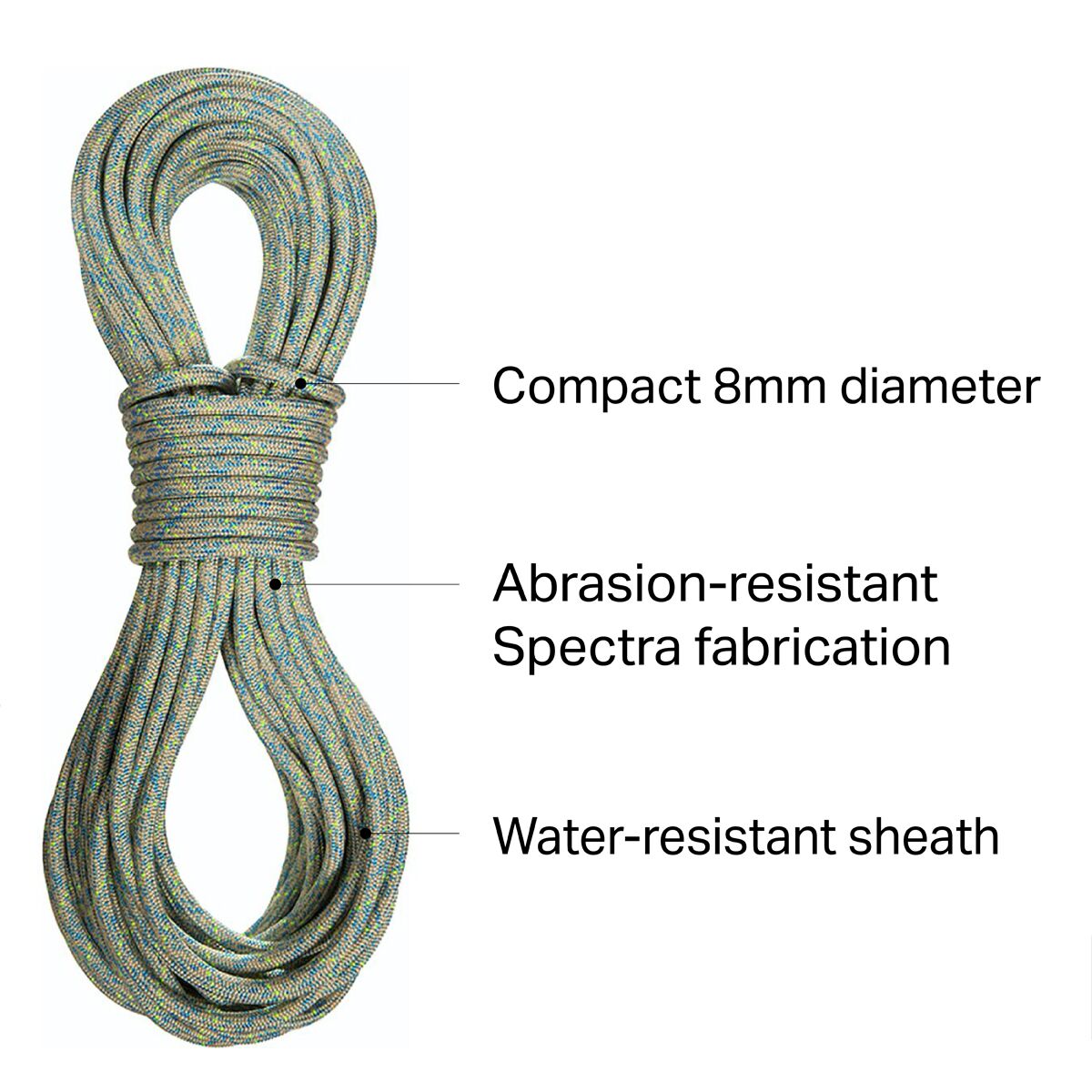
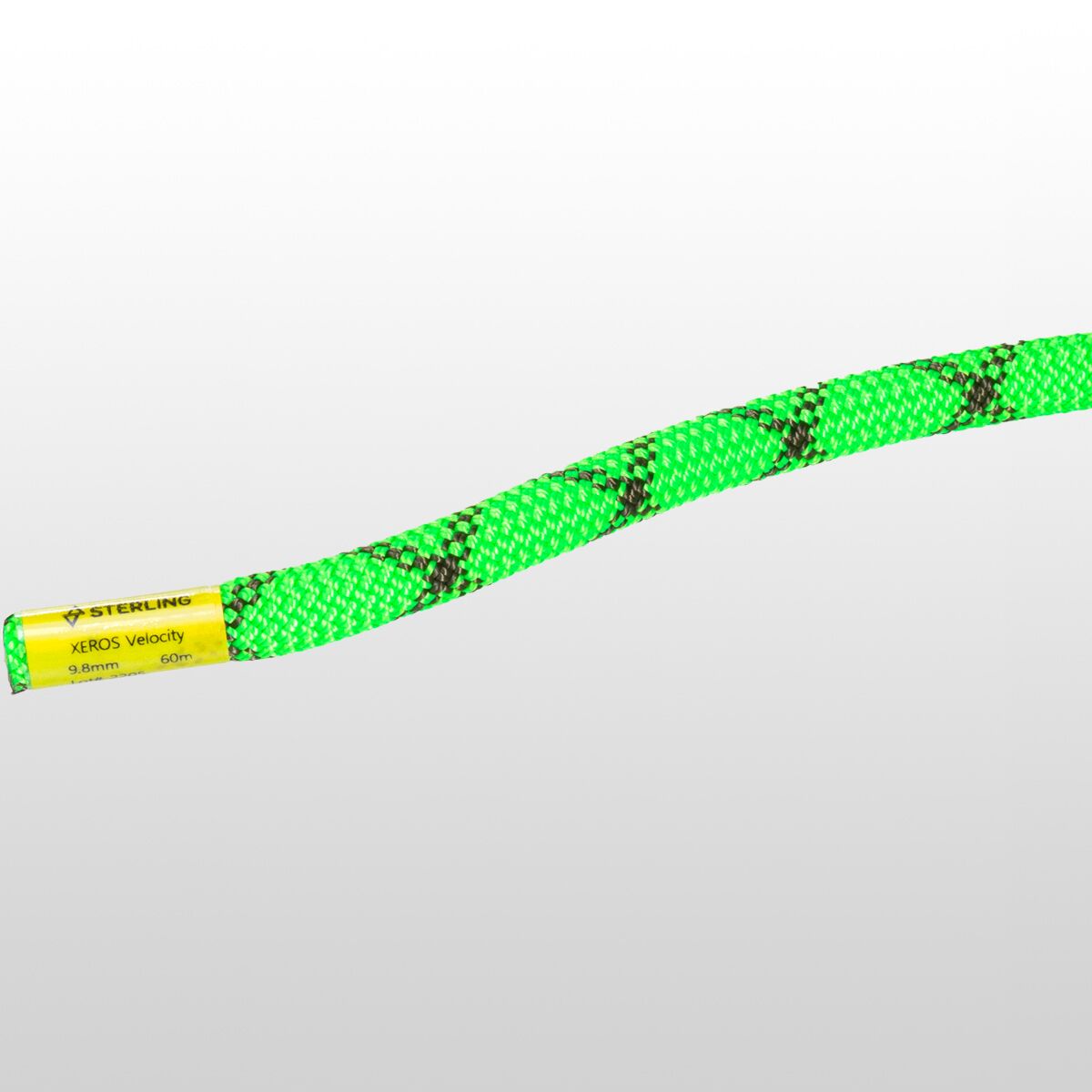
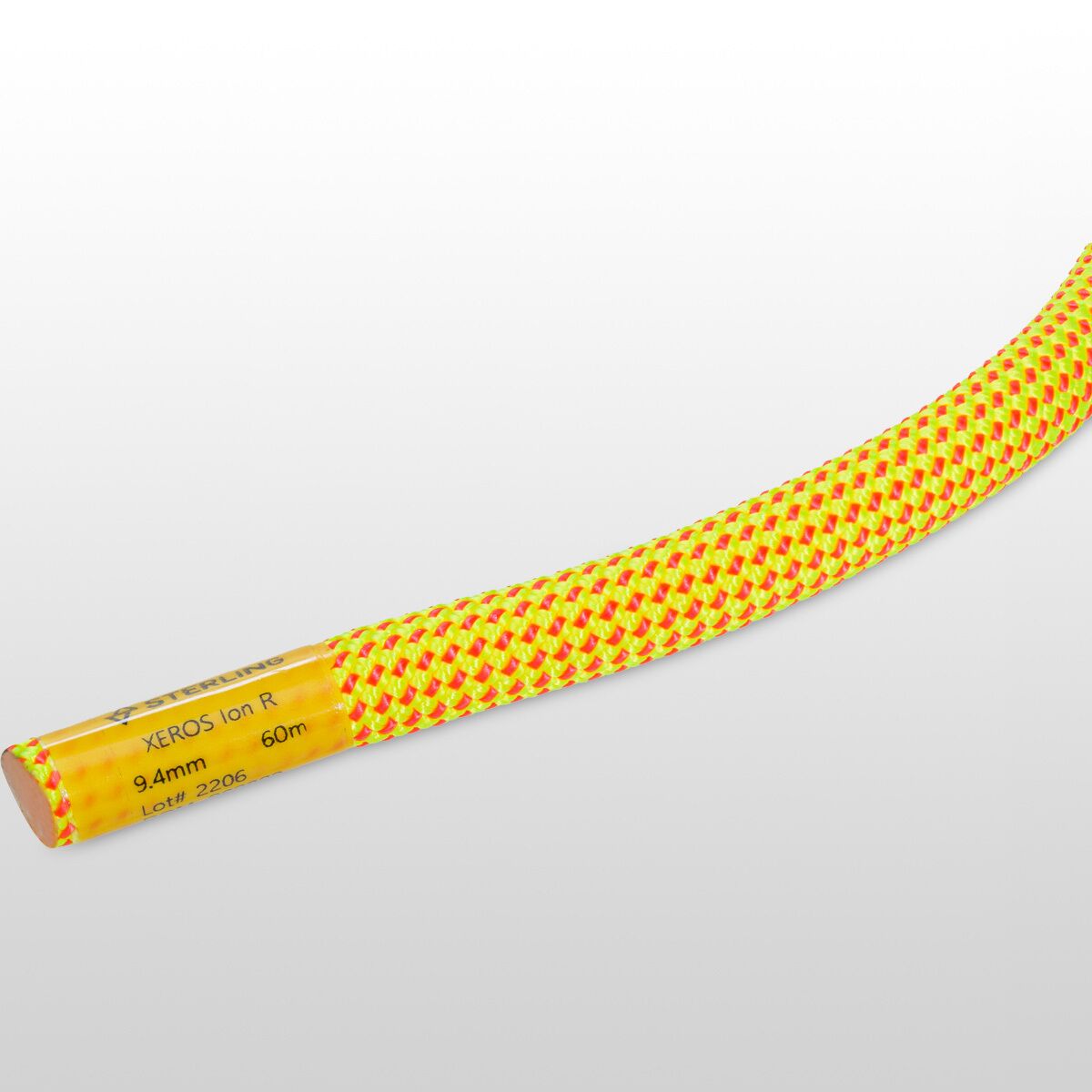
The Sterling HTP Static Canyoneering Rope - 9mm is built for versatile use across canyoneering, SAR teams, tower crews, and anchor setups. Its 9mm diameter gives it a lightweight feel, while high strength supports long-lasting durability in demanding environments. That mix makes it a practical pick for users who want a rope that can handle more than one kind of technical task.
Low elongation makes this rope an excellent option for hauling gear and descending towers. If your objective is canyoneering, anchor setups, or hauling gear, this rope is built for those kinds of tasks. It is a utility-minded rope with a clear purpose: dependable performance where stretch is not the priority.
What to look at when comparing rope types
The biggest difference to focus on here is how the rope is intended to be used. For this rope, low elongation makes it a strong match for hauling gear, anchors, and controlled descents. This static rope is built for low elongation and controlled rope work.
- Climbing: Consider whether a different rope category may better suit your climbing use case.
- Canyoneering: For canyoneering, this static rope is designed to offer low elongation and versatile utility.
- Rescue and SAR tasks: This static rope is a good fit for SAR teams, anchors, and hauling-focused setups.
- Tower descents: For tower descents, this rope’s low elongation makes it an excellent option.
The Sterling HTP Static Canyoneering Rope - 9mm brings together a lightweight build, high strength, and long-lasting durability. It is designed for canyoneering, and it also works well for SAR teams, tower crews, and anchor applications. That gives it a broad utility profile for users who need a rope focused on descending, hauling, and fixed-use tasks.
If your use case is mostly hauling and controlled descents, this static rope is worth a look. If your use case centers on climbing, compare this static rope with other rope categories to find the right fit.
How to narrow down the right rope
If your day centers on rappels, hauling, anchors, or technical descents, a static rope can be a solid option. If you're climbing, consider choosing a rope style that matches your intended use and movement needs. The cleanest way to choose is to start with the activity, then match the rope style to the kind of movement and rope work you expect.
- Canyoneering: A static line may be worth considering for descents and gear movement.
- Rescue or SAR support: You may want to consider strength and durability for hauling and anchor use.
- Tower work and fixed descents: Low stretch can be useful in these scenarios.
- Climbing: Consider a rope style that matches the feel and handling you want for your setup.
The Sterling HTP Static Canyoneering Rope - 9mm is aimed at users who want a lightweight, versatile static line for canyoneering and utility-focused tasks. Its high strength supports long-lasting durability, and its low elongation lines up well with hauling gear and descending towers. If those are the jobs on your list, this rope checks the right boxes without adding extra bulk.
Get rope advice from people who actually use the gear
Rope choice is one of those decisions where the details matter, and that is exactly why Backcountry keeps it gear-first. Whether you are sorting out a canyon kit, building a rescue setup, or dialing a rope for anchors and hauling, a Gearhead® Expert can help you cut through the noise and get to the right tool faster.
We are into gear that earns its place in the pack, not fluff that just takes up space. That means clear product guidance, real-world perspective, and a lineup built for people who care how their systems work when the terrain gets technical. If you want a rope for low-stretch descents and utility-focused use, this is the kind of category where smart choices pay off every single rappel.
Why Buy the Sterling HTP Static Canyoneering Rope - 9mm from Backcountry?
When you are choosing technical gear like the Sterling HTP Static Canyoneering Rope - 9mm, sourcing matters. Backcountry works through direct relationships with respected outdoor brands, so every product is authentic and backed by the full manufacturer warranty. No gray-market goods, no third-party sellers.
- Authorized dealer — Sterling sits alongside Patagonia, Arc'teryx, Black Diamond, Salomon, Scarpa, Specialized, Osprey, and hundreds more
- Full manufacturer warranty — products are sourced through authorized distribution channels, not unverified marketplace sellers
- Complete size and color runs — managed inventory with early access to new collections
- 90-day return policy — consistent across every brand, with one simple process for multi-brand orders
- No counterfeit risk — unlike open marketplaces, every item at Backcountry is vetted and fully warranted