For emergency or back-up camping, a lightweight, minimal pack can work well when you are carrying only essentials, while a more technical pack may make sense when you need more support, more attachment options, or capacity for a bigger load.
One way to decide is to consider factors like load weight, overnight volume, external carry needs, weather exposure, and how technical the objective is. A lightweight, minimal pack can be a reasonable option for a fast backup kit with layers, food, and a stripped-down overnight setup. A more technical pack can be worth considering when the load grows or when you need to carry additional gear like rope or tools.
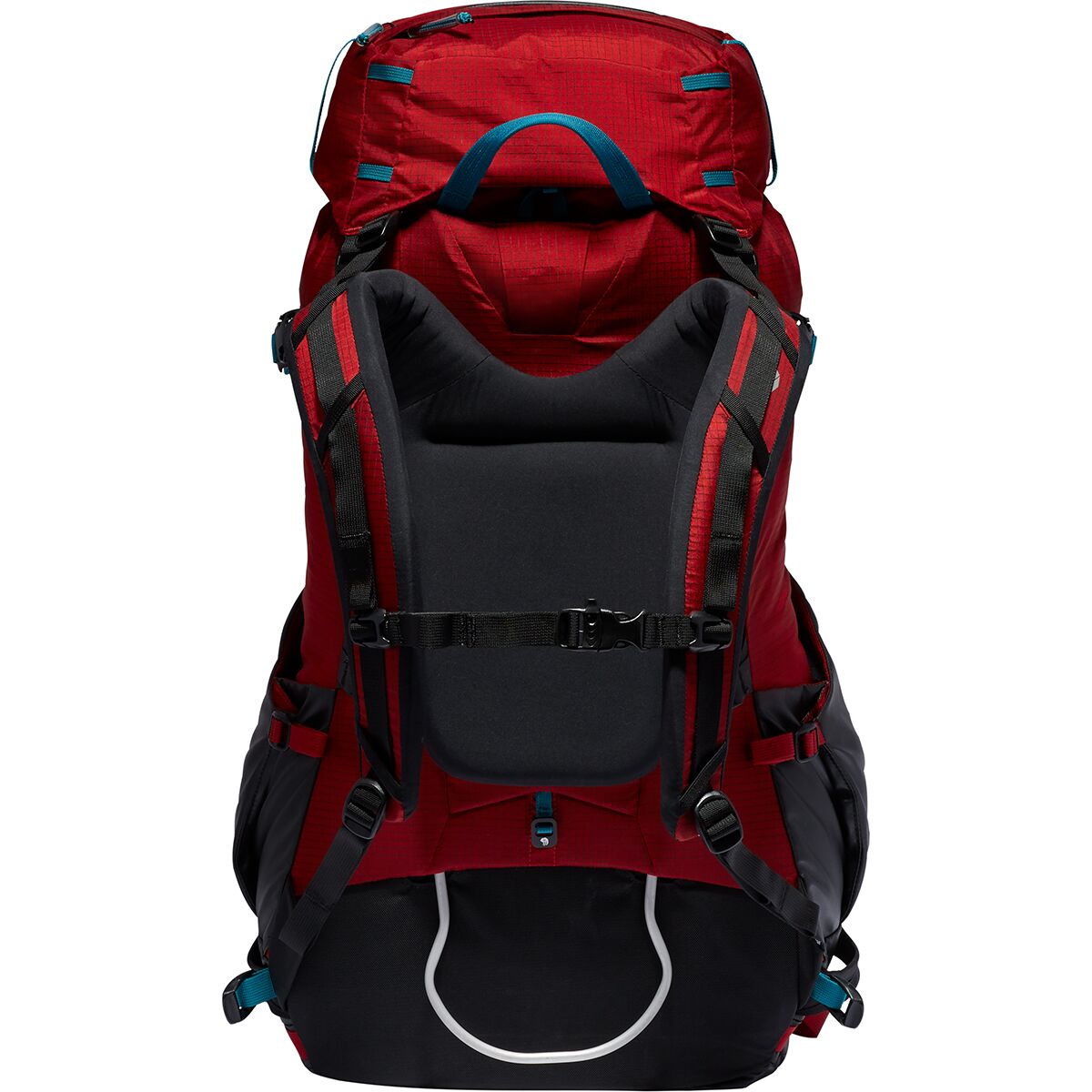
That means a lighter, simpler approach may be a better fit for emergency use when you want to keep your setup streamlined. A more technical pack could be worth considering if you expect bulkier gear or a more complex carry. In other words, you might lean minimal for fast backup kits and consider a more technical pack for bigger, more demanding objectives.
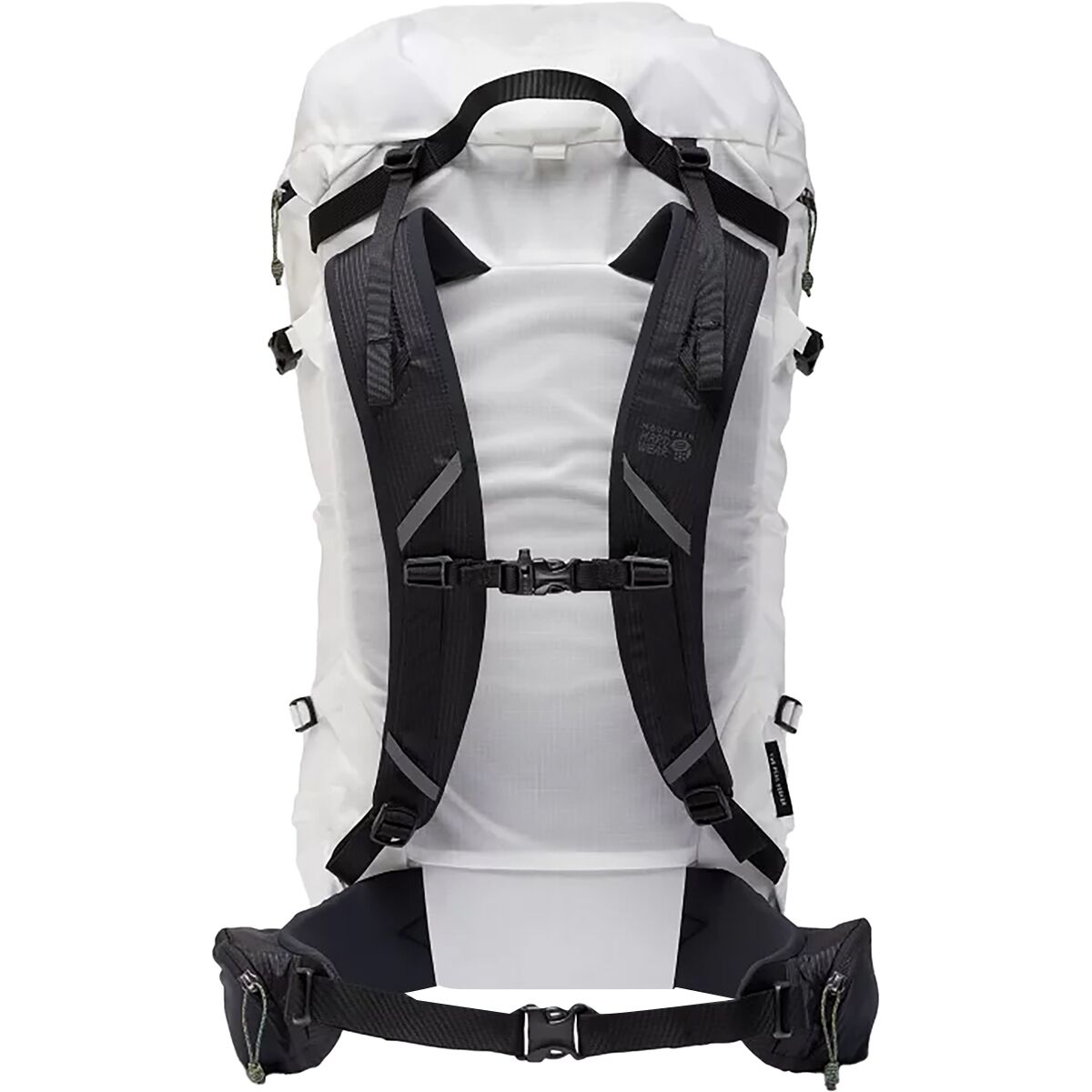
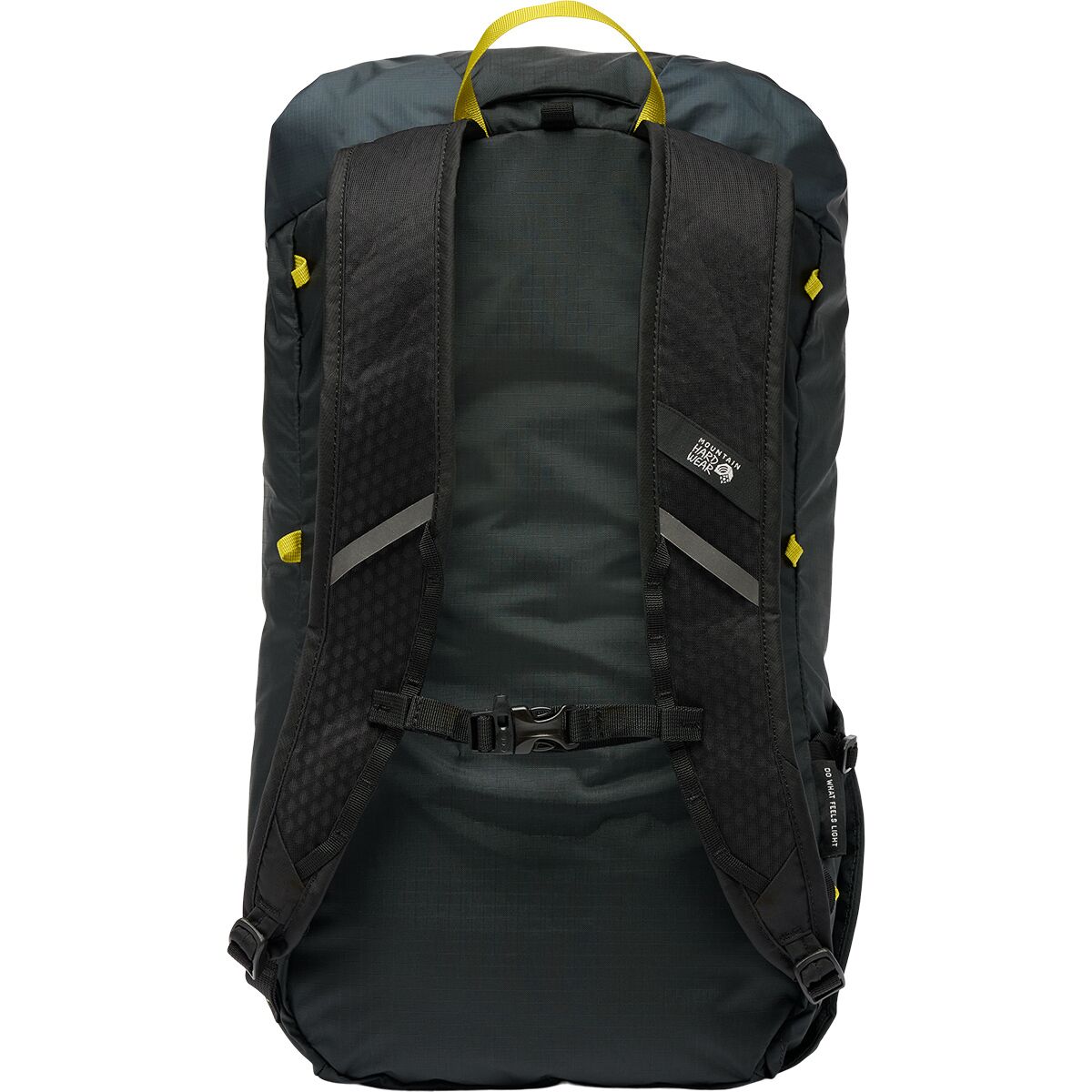
If you want a useful benchmark for what to prioritize in a streamlined alpine pack, the Mountain Hardwear Alpine Light 35L Backpack points in the right direction with durable, ultra-comfortable performance, customizable straps, and a strippable design that lets you adjust the pack to the demands of the route. Those are the traits worth chasing when your backup setup needs to stay efficient and ready to move.
What to compare in a lightweight vs. technical pack
When you are choosing between a minimalist emergency pack and a more technical-feeling setup, focus on a few key factors: volume, adjustability, simplicity, and intended use. Those are the levers that shape how the pack behaves once it is loaded and moving.
- Volume: The Mountain Hardwear Alpine Light 35L Backpack offers 35 liters, which lands in a practical zone for on-route essentials and ultralight one-bivy use.
- Adjustability: Customizable straps matter when your load changes. They let you adjust the pack to the demands of the route.
- Simplicity: A strippable design lets you adjust the pack to the demands of the route. You can strip down components to adjust the pack for the route.
- Use case: This pack is aimed at alpine climbing missions where durable, ultra-comfortable performance and streamlined packing are the priority.
That makes this style a strong option when your plan is lean and focused on carrying on-route essentials. If your emergency setup revolves around carrying only what you need and keeping the pack adaptable to the route, this design language makes sense. The more your loadout starts demanding extra structure or more built-in complexity, the more you may want to keep looking. But if fast, light, and route-ready is the brief, this is the kind of blueprint worth following.
How to choose your backup camping pack
Start with the question that actually matters: what needs to fit, and how fast do you need to move with it? For emergency applications, a pack should carry the essentials cleanly without turning into a gear garage. That can mean looking at usable volume, comfort, and whether the setup can be adjusted for different needs.
- Choose moderate volume when you want enough room for a one-bivy style loadout and key on-route gear.
- Choose a customizable fit if your carry changes from trip to trip or route to route.
- Choose a strippable design when shaving bulk matters as much as adding capacity.
- Choose durable construction if you expect rough handling and frequent use.
The Mountain Hardwear Alpine Light 35L Backpack checks those boxes for a fast-and-light setup. It is built around durable, ultra-comfortable performance with just enough space for essentials, which is exactly the lane many backup kits live in. If your emergency pack is more about mobility than hauling a sprawling camp setup, this kind of design keeps things tidy, efficient, and ready to roll.
Still deciding? A Gearhead® Expert can help you sort through volume, carry style, and how stripped-down you want your system to be without turning the process into homework.
Why shop backup-ready gear at Backcountry
When the mission calls for a pack that can move fast and stay focused, details matter. That is our lane. Backcountry is built for people who care about how gear performs when the route gets real, whether that means shaving weight for a one-bivy push or dialing a carry system that does not fight you all day.
We keep the conversation grounded in use, not fluff. If you are weighing a minimalist pack against something more built-out, we can help you think through volume, comfort, and adjustability. No gatekeeping. No gear fog. Just sharp advice from people who are genuinely stoked on the tools that make a good day move better.
That means less second-guessing, more time packing smart, and a backup kit that is ready when the weather, route, or plan decides to get creative.
Why Buy the Mountain Hardwear Alpine Light 35L Backpack from Backcountry?
For a fast-and-light pack like the Mountain Hardwear Alpine Light 35L Backpack, Summit Club+ ($49/yr) adds 10% instant cash back on every purchase — including full-price and sale items. Your cash back posts immediately after purchase, and a single order over $490 recoups the membership fee entirely.
- Instant cash back — posts right after purchase, not once a year
- Earns on sale and clearance items — most outdoor retailers restrict rewards to full-price only
- Redeem on anything — use your cash back on full-price and sale items alike, no restrictions
- Free 2-day shipping on orders $150+
- Your own dedicated Gearhead Expert — personal gear advisor via chat, phone, or text
- 20% off birthday discount plus early access to deals and new gear drops
- Partner Perks — $100 off Mountain Collective passes, $140 off Outdoorsy, free USA Cycling membership
- 365-day satisfaction guarantee — full refund on membership within a year, minus any cash back redeemed