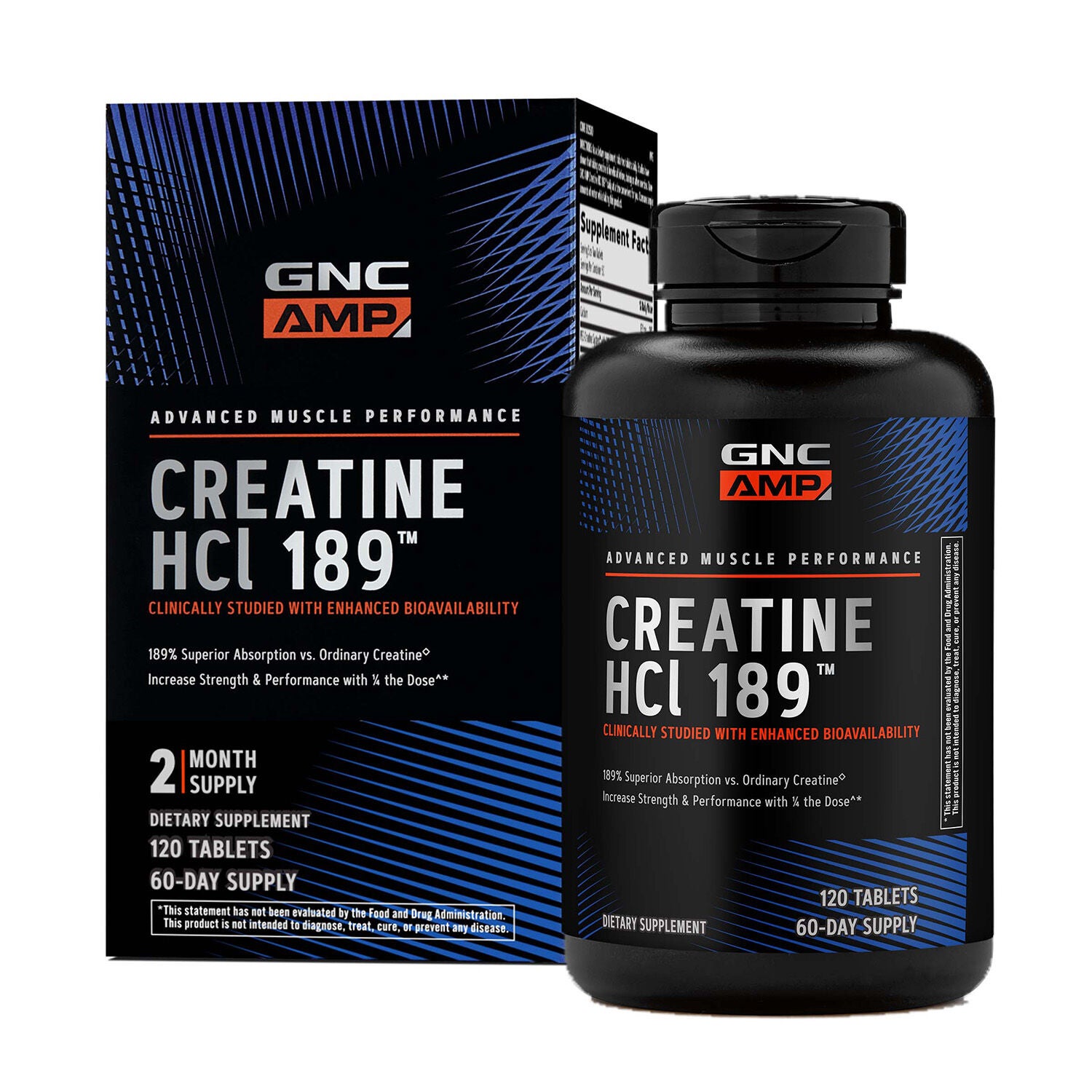
You can usually minimize bloating or water retention with creatine by skipping a heavy “loading” phase, taking a consistent daily dose, mixing it well, and keeping your hydration and sodium intake steady.
Why does creatine sometimes feel like it causes “bloating”?
Creatine helps pull water into muscle cells, which is part of why it’s so trusted for performance support. For some people, that change in where water is stored can feel like puffiness—especially during the first 1–2 weeks, after a big dose increase, or when hydration and sodium swing around day to day.
It’s also worth separating two different experiences:
- Water in the muscle (often desired): a “fuller” training look and improved workout readiness.
- Digestive discomfort (not desired): often tied to taking too much at once, not dissolving powder fully, or stacking multiple products without realizing your total daily creatine is high.
At GNC, we aim to keep it simple: get the benefits of creatine without letting your routine turn it into a guessing game.
How can you take creatine to reduce water retention or digestive discomfort?
The most reliable approach is to start with a steady daily routine instead of trying to “rush” saturation. If you’re sensitive to the way creatine feels early on, consistency wins.
Try this routine for 2–4 weeks:
- Use a consistent daily amount rather than big swings. A steady intake supports results over time.
- Split your serving (for example, morning + post-workout) if you feel heavy after one larger dose.
- Mix thoroughly in enough liquid. A gritty or under-mixed drink can be harder for some people.
- Take it with a meal or with your shake if that feels better for you.
What to avoid if you’re prone to “creatine bloat”
A few habits tend to drive the complaints:
- Loading with high amounts right away. More isn’t always better for day-one comfort.
- Underestimating your total creatine intake. Creatine can show up in bars, powders, and pre-workouts—so your daily total might be higher than you think.
- Big day-to-day changes in hydration and sodium. The more your routine swings, the more your body’s water balance can feel unpredictable.
GNC’s best advice: pick a method you can actually repeat every day. That’s how creatine earns its spot as a foundational supplement.
Does the type of creatine matter for bloating or water retention?
For most people, what matters more than the “type” is dose, consistency, and how you take it. That said, different formats can make your routine easier to stick with—especially if you’re trying to avoid the common mistakes that create discomfort.
Powder vs. chews vs. gummies
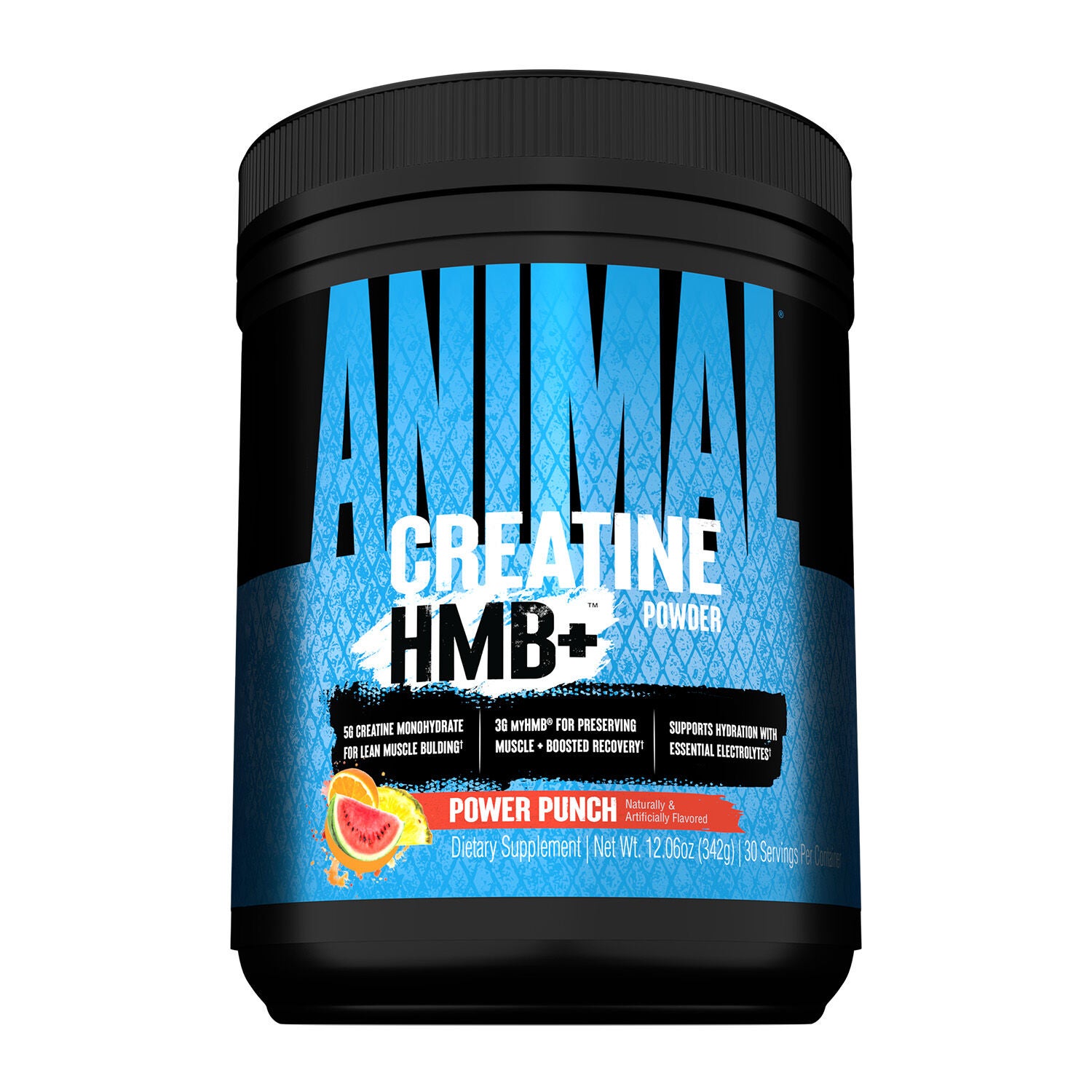
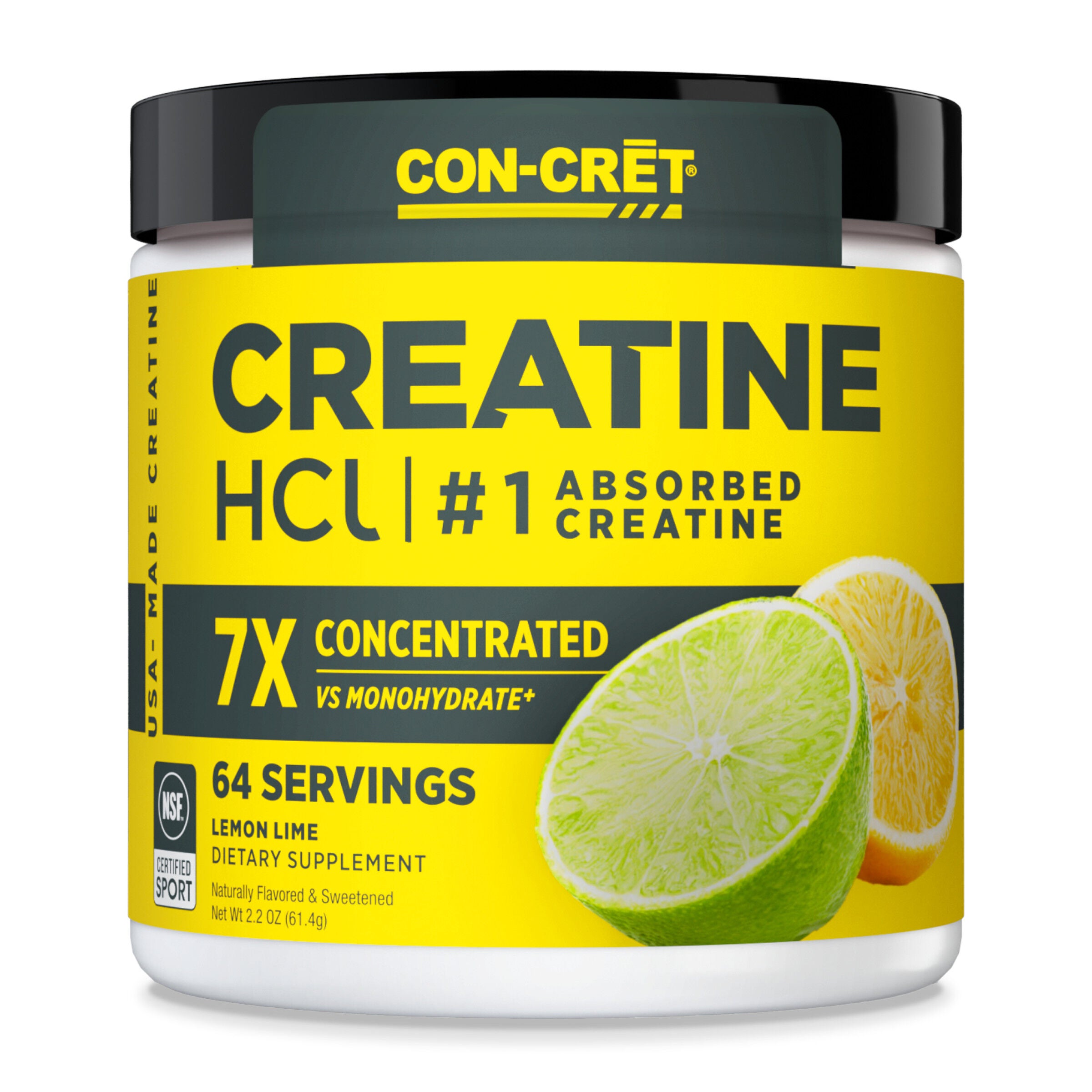
- Powder is simple, flexible, and easy to scale. If you’re prone to discomfort, mix longer and consider splitting the serving.
- Chews and gummies can be convenient when you don’t want to measure, shake, or clean up. The main watch-out is accidentally doubling up if you also use a pre-workout, bar, or protein that includes creatine.
Quick self-check: are you stacking creatine without realizing it?
If you use a pre-workout, a functional snack bar, or a mass gainer, you might already be getting creatine there. When you add a dedicated creatine on top, your daily intake can climb fast—which is one of the most common reasons people feel “puffy” or uncomfortable.
GNC makes it easier to choose a clean, straightforward option so you can control your daily total—and keep your results predictable.
How do hydration and electrolytes change how creatine feels?
If creatine has ever made you feel “off,” the fix is often less about creatine and more about consistency: steady water intake and steady electrolytes help your body manage fluid balance in a way that feels more predictable.
A common pattern is: low fluid intake on busy days, then a big catch-up day—plus training—and suddenly creatine gets blamed for what’s really a routine problem. Keep your daily habits steady, and you’re more likely to feel the performance benefits without the “why do I feel puffy today?” frustration.
A simple consistency framework
- Match your fluid intake to your training week. Big training weeks call for more disciplined hydration.
- Don’t forget sodium. If you swing from very low sodium to high sodium days, water balance can swing with it.
- Use a predictable hydration support option when needed. A zero-sugar electrolyte mix can make it easier to stay consistent.
This is the kind of foundational discipline GNC is built around—daily wins that add up to bigger training progress.