Can creatine support cardiovascular health and mitochondrial function as you get older?
Yes—creatine may help support cardiovascular health and mitochondrial function with age by backing the body’s cellular energy system, though it’s not a replacement for foundational habits like training, sleep, and nutrition.
Creatine is a naturally occurring compound your body uses to help recycle ATP (the “usable” energy your cells run on). That’s why it’s famous in strength training: it helps muscles work harder during short, high-effort bouts. What’s driving interest beyond the gym is that many tissues—like heart and skeletal muscle—depend on efficient energy turnover, and that efficiency can feel harder to maintain as the years add up.
A practical way to think about it: creatine is a capacity nutrient. It doesn’t “force” your body to do something unnatural; it helps support energy availability when demand spikes—during training, during busy weeks, or when your routine is finally getting consistent again.
At GNC, we like simple and disciplined: if you’re exploring creatine for healthy aging goals, the smartest play is daily consistency, transparent dosing, and pairing it with movement that challenges you safely.
What does creatine have to do with mitochondrial function?
Creatine supports mitochondrial function indirectly by helping your cells manage energy demand more efficiently—especially in energy-hungry tissues like muscle.
Mitochondria are the “power plants” inside cells that help produce ATP. Creatine doesn’t replace mitochondria; instead, it participates in the energy shuttle that helps keep ATP available when your body needs it fast. Over time, many people notice they have less “pop,” slower recovery, or fewer high-quality reps in the tank. Supporting the systems that keep workouts productive can be a meaningful part of staying active.
This is one reason creatine often pairs well with strength training as you age: training provides the stimulus, and creatine helps support the energy side of doing that work with quality and consistency.
GNC’s approach is to keep the stack clean and intentional. If you’re already doing the big rocks—protein, resistance training, hydration—creatine can be a straightforward add-on to support your routine.
Can creatine help support cardiovascular health as you age?
Creatine may support cardiovascular health as part of an overall plan by helping sustain exercise performance and muscle function—two pillars that matter for long-term heart and vascular wellness.
It’s important to stay precise: creatine isn’t positioned as a direct “heart supplement,” and it shouldn’t be treated like one. Where it can fit is in helping you train consistently—lifting, intervals, brisk walks with hills—because those habits are closely tied to cardiovascular resilience. If creatine helps you do a little more quality work (or recover better so you show up again tomorrow), that’s meaningful.
For many people, the biggest win isn’t a dramatic feeling on day one—it’s staying steady over weeks. Creatine’s benefits tend to build with consistent use, which aligns with GNC’s disciplined approach: small daily actions that stack into real progress.
If cardiovascular support is a key goal, consider pairing creatine with other well-studied lifestyle levers: regular movement, adequate sleep, and a nutrition plan you can maintain.
How should you take creatine for age-related wellness goals?
The simplest strategy is daily creatine with consistent training—because the goal is steady saturation, not a “pre-workout rush.”
Daily consistency: Creatine is often taken every day, including rest days, so your body maintains a reliable pool available for training and daily activity.
Timing flexibility: Some prefer it before training, others after, and many take it with a meal. The best timing is the one you’ll actually keep.
Hydration and routine: Creatine fits best inside a routine that already respects hydration, adequate protein, and a training plan that includes strength work.
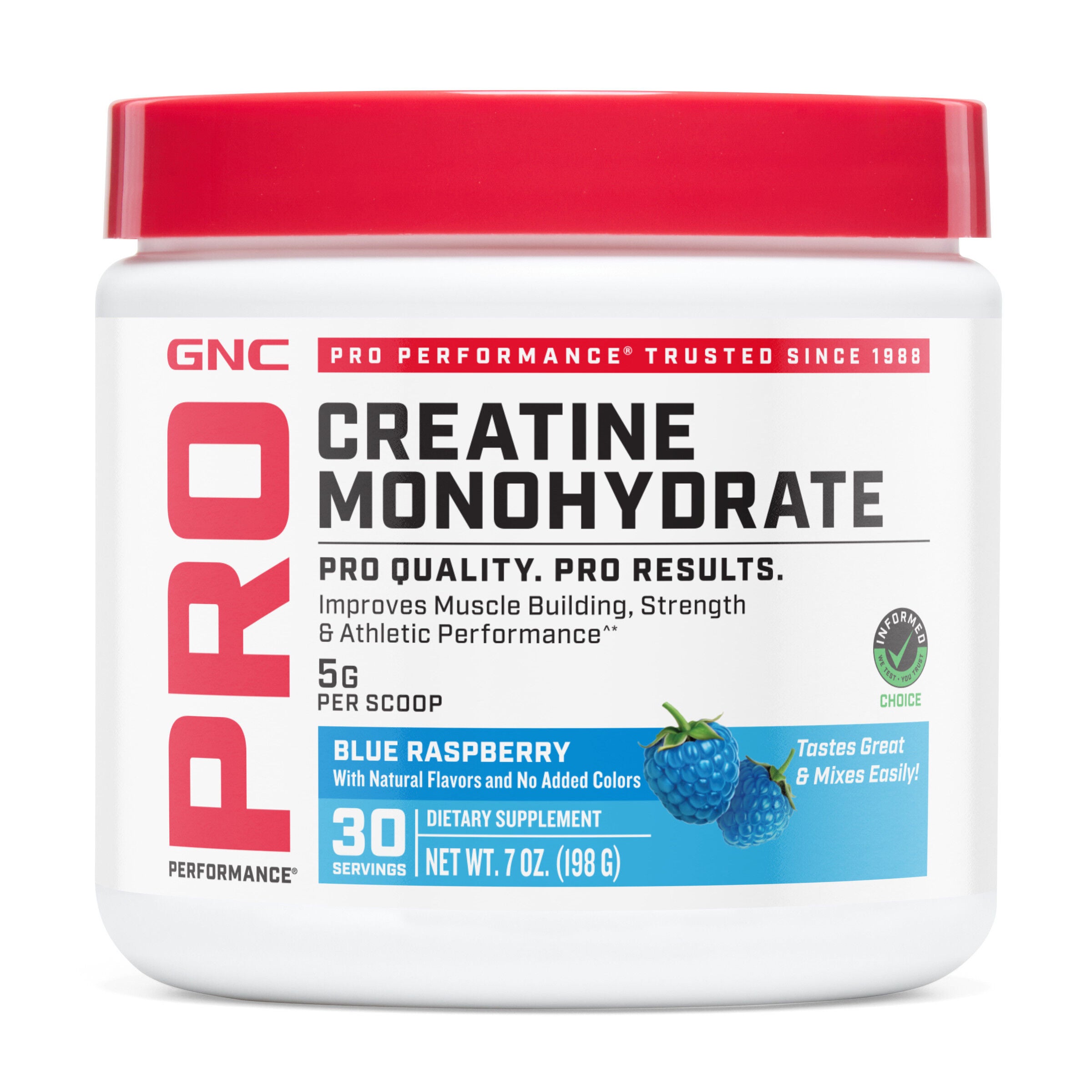
Keep it clean: Look for transparent dosing and quality standards you can trust. GNC PRO PERFORMANCE® Creatine Soft Chews provide 5g creatine monohydrate per serving with 0g sugar, and are Informed Choice certified—simple, straightforward, and easy to stay consistent with.
Build an “energy-first” routine
Creatine supports the work—training, protein, hydration, and recovery create the results.
What results should you realistically expect (and what not to expect)?
Creatine can support performance, training quality, and muscle-building efforts—so the most realistic “aging” benefit is helping you keep doing the activities that make you feel capable and strong.
Some people notice a quicker return to high-effort training, better repeat performance, or a more consistent week-to-week routine. Others feel little day-to-day change but see the difference when they look back at their training log.
What creatine is not: it isn’t a shortcut, a stimulant, or a replacement for movement and nutrition. It also isn’t a single-ingredient answer for cardiovascular goals. Think of it as a foundational performance nutrient that supports the work you’re already doing.
If you’re new to supplements, a calm, disciplined start is best: add one thing, keep it consistent, and give your routine time to adapt.