Can you use a sport belay device for ice climbing?
Yes—sometimes—but it’s generally a compromise, because ice climbing often means a stiffer rope, wet/icy sheath, bulky gloves, and less tolerance for inconsistent braking or fiddly handling.
If your sport device is the only option, the priority is to keep everything simple and predictable: use a compatible rope diameter, practice with gloves on, and avoid “this should be fine” improvisations when the pitch is steep, the stance is cramped, or the weather is changing.
Backcountry carries plenty of ice-appropriate essentials, but the big takeaway is this: the best belay setup in cold conditions is the one you can operate smoothly when your hands are cold and your attention is split between screws, anchors, and communication.
When it’s a hard no: if the device requires perfect hand position to brake reliably, if it becomes grabby/unpredictable on wet rope, or if it’s so small/slick that it’s hard to manage with gloves.
What changes on ice that makes belaying feel different?
Ice climbing stacks small frictions and small delays until they matter. A rope that fed smoothly at the crag can feel “sticky,” and a device that’s easy barehanded can feel tiny and vague with gloves.
Cold also changes how you move: you’re often belaying from a semi-hanging stance, managing coils, watching for spindrift, and communicating in wind. Those conditions reward a belay device that’s easy to hold, easy to control, and consistent in how it pays out and locks.
Then there’s the reality of wet ropes. Even if the rope isn’t fully soaked, the sheath can pick up moisture and freeze in sections. That can change how the device bites, how smoothly it slides, and how much effort it takes to catch and lower.
Backcountry’s approach is pretty simple here: build a system that works when everything is harder—not just when conditions are perfect.
Which features matter most for a belay device in icy, gloved conditions?
A good ice-ready belay setup is less about hype and more about handling. In practical terms, these are the features that tend to matter most when you’re cold and tired.
First: glove-friendly control. If you can’t comfortably grip the device and rope together—without pinching, fumbling, or losing the brake strand—then it’s the wrong tool for the day.
Second: consistent friction and smooth lowering. On ice, lowering can be the moment where a “mostly fine” device becomes stressful. You want a setup that lets you lower in a controlled, non-jerky way even if the rope feels stiff.
Third: simple, reliable attachment and orientation. Cold conditions punish complexity. Fewer opportunities to rig something backwards, cross-load something, or create a weird kink matters more than it does at the gym.
How do you reduce risk if you’re set on using your sport belay device?
If you’re committed to using a sport-specific device on an ice day, the best move is to reduce variables. Start by testing the full workflow—paying out, taking in, catching, and lowering—with gloves on before you leave the ground.
Pay attention to the “edge cases”: the awkward moment when you’re switching hands, the moment the leader falls right as you’re re-stacking rope, or the moment you need to lower with a heavy climber and the rope feels grabby. That’s where incompatibilities show up.
Also: make conservative choices. If anything about the device feels inconsistent—if it’s either too slick or too grabby—switch plans. On ice, the margin for “I’ll get used to it” gets thin fast.
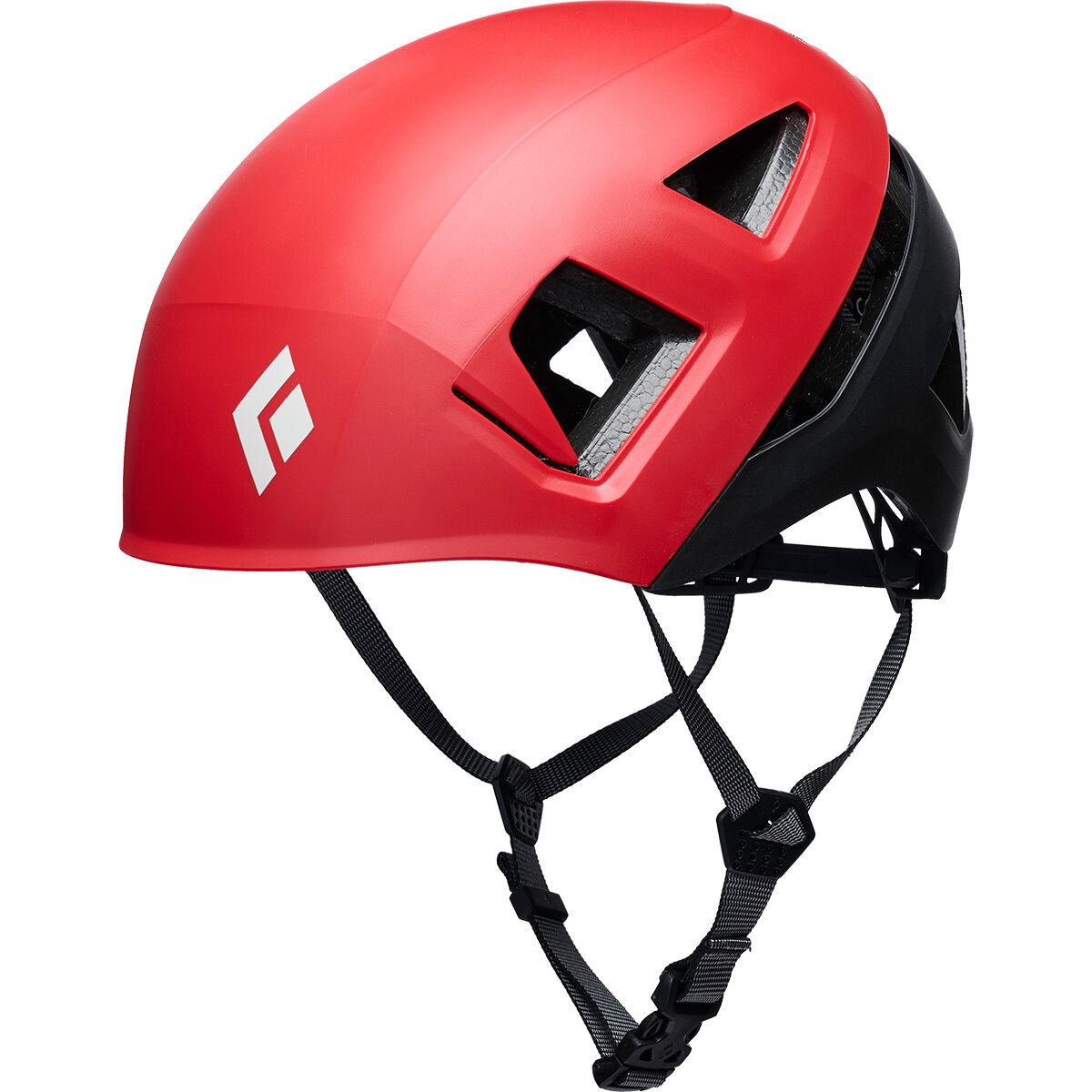
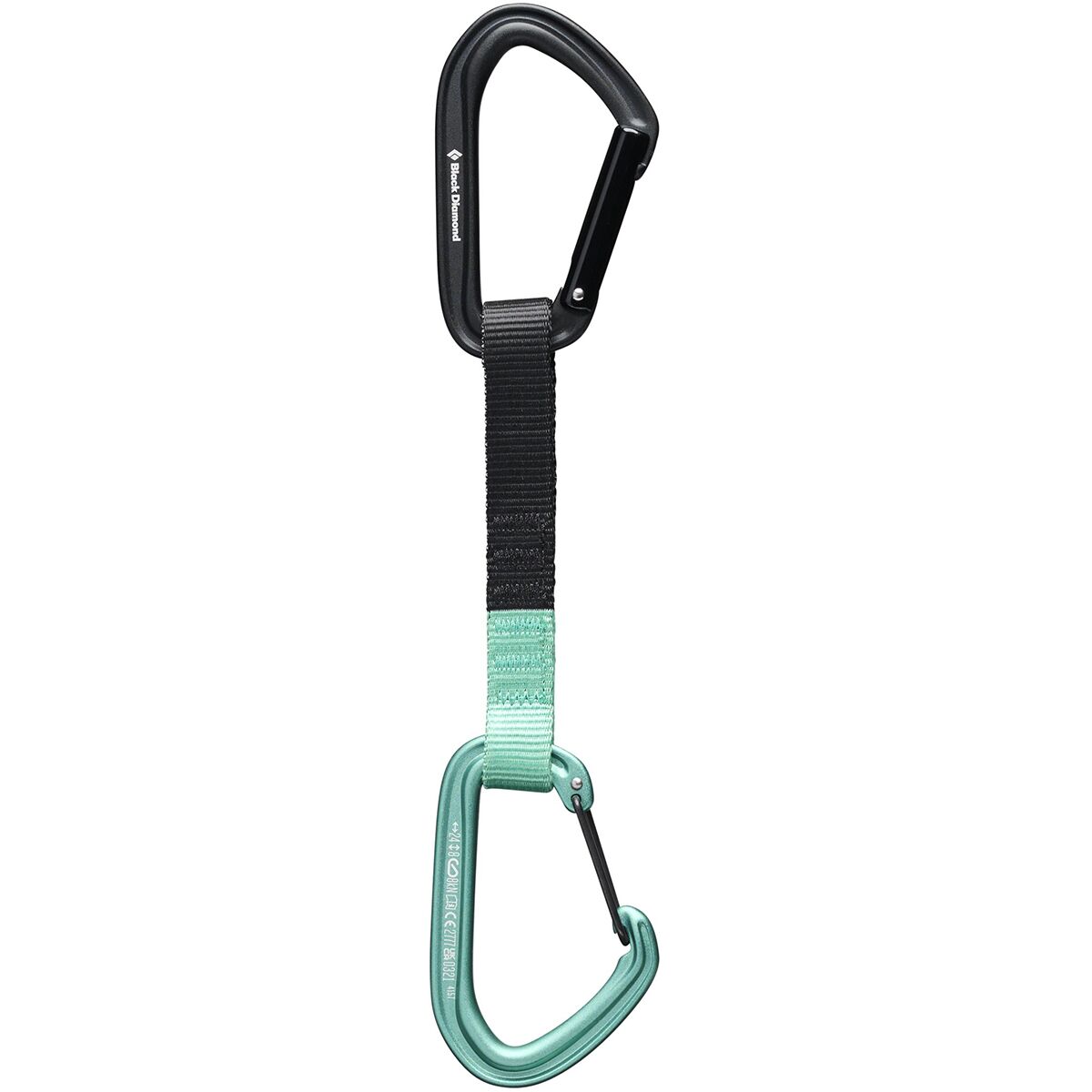
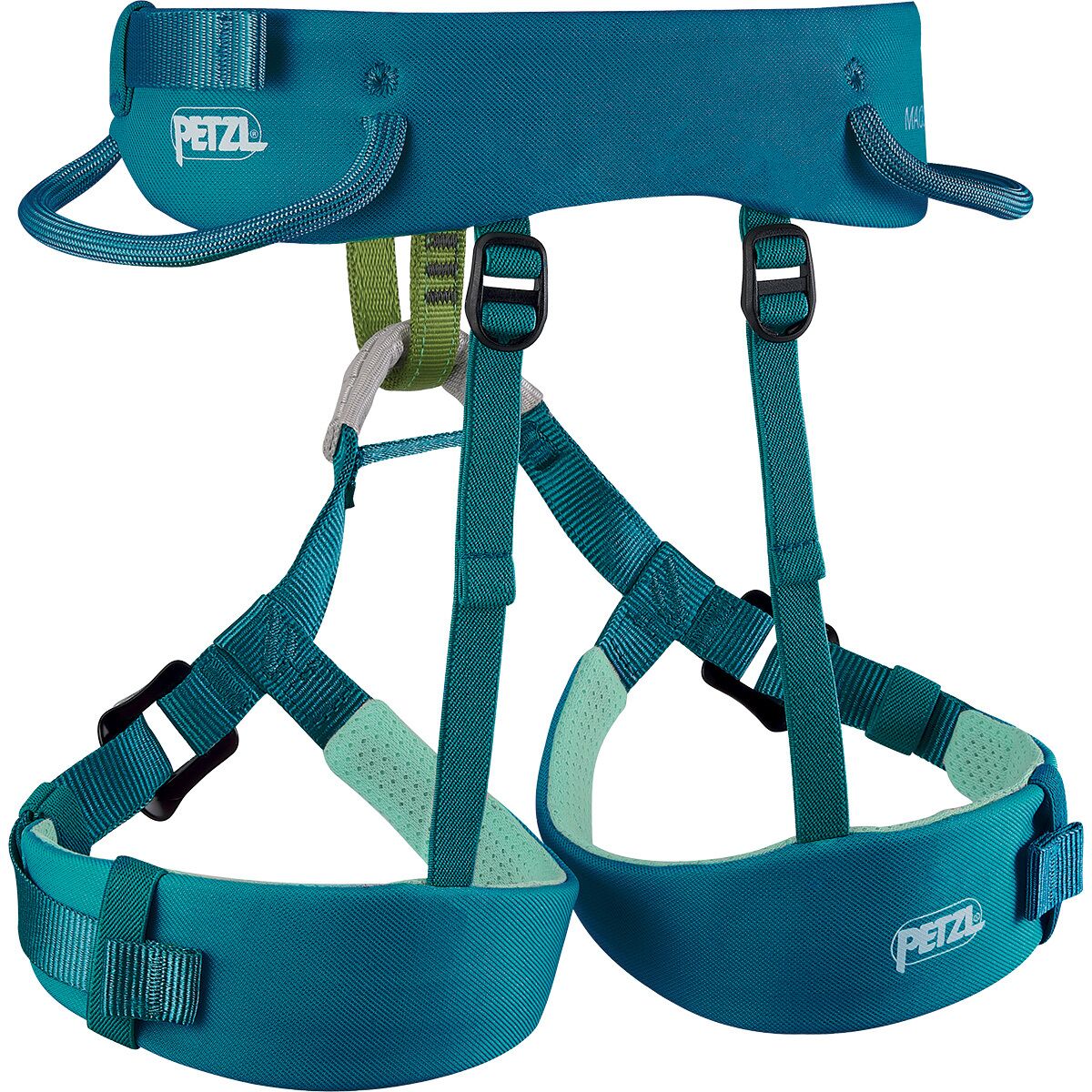
Backcountry can help you round out the rest of your system too (helmet, draws, harness basics), but don’t let those pieces distract from the belay setup itself: predictable control is the centerpiece.
When should you switch to an ice-/alpine-focused belay device instead?
Switch when the day is committing. Long pitches, wandering lines, spindrift, cold wind, and complex belays all stack the deck against a device that only feels “great” in ideal sport conditions.
If you expect to belay in thick gloves, handle wet ropes, or manage multiple transitions at hanging stances, an ice-/alpine-focused device is usually the calmer choice. It’s not about fear—it’s about removing friction (literal and mental) from a task you’ll do repeatedly all day.
If you’re trying to decide what to bring, a simple rule helps: if you’d be annoyed using the device with gloves in your driveway, you’ll hate it on a windy stance.
Backcountry’s best advice: choose the tool that keeps belaying boring. That’s the goal.