How to Choose the Right Climbing Rope
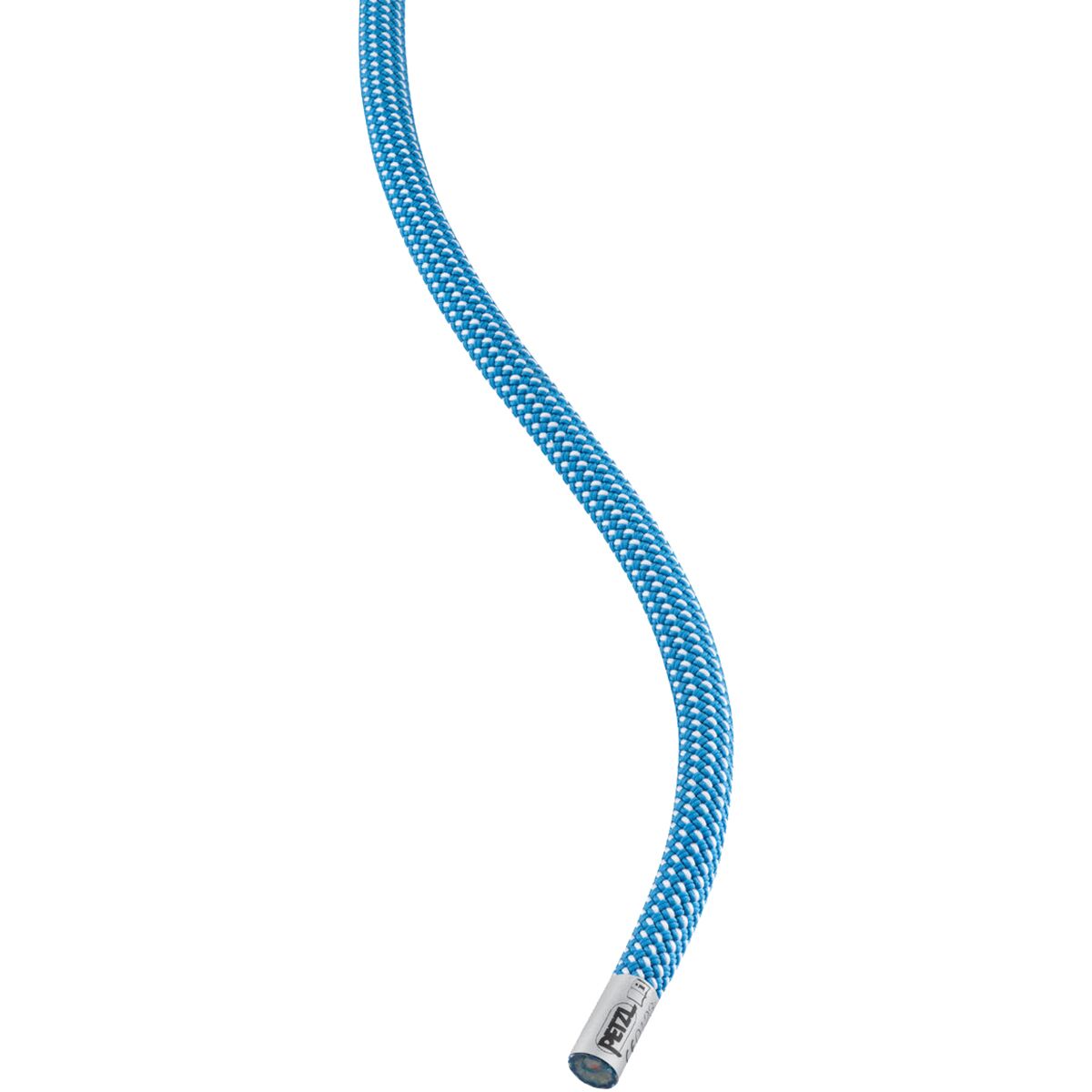
Choosing a climbing rope comes down to three big calls: diameter, length, and dry treatment. Diameter may affect how a rope feels in use, so it's worth considering your preferences at the belay and in hand. A 9.5mm rope like the Petzl Arial Dry Climbing Rope - 9.5mm lands in a versatile zone for climbers who want a balance of flexible handling and burly construction. It is built to feed smoothly when you're paying out slack, while still bringing the dependable strength you want when the move doesn't go and the rope gets put to work.
Consider choosing a length that matches the routes and objectives you have in mind.
If you're considering this rope, note that it features dry treatment. A dry-treated rope may appeal if you're looking for a single rope option across different climbing days. If your climbing calendar includes projecting, redpoint burns, and plenty of belays at the base, a 9.5mm rope like the Petzl Arial Dry Climbing Rope may be worth a look if you're after smooth handling and a burly build.
Why This Rope Hits a Sweet Spot
The Petzl Arial Dry Climbing Rope - 9.5mm is built for climbers who want a rope that feels good in motion without getting flimsy. Its flexible yet burly construction is the headline here. That means smoother handling when your belayer is feeding rope and a more confidence-inspiring feel when the day includes repeated attempts, hangs, and the occasional full-value whip.
That smooth slack payout matters more than it sounds. On a serious redpoint burn, clean rope management can help keep the whole system feeling less clunky. Less wrestling, more climbing. And when the move spits you off again, reliable strength is part of the package, which is exactly what you want from the rope tying the whole effort together.
The Dry designation is part of the product name, and if your season includes a range of conditions, this rope could be worth a look.
- 9.5mm diameter
- Flexible construction: smoother feel during belays
- Burly build: ready for repeated projecting sessions
- Dry treatment: included in the product name
Quick Buyer's Guide for Rope Specs
Start with diameter. Consider a diameter like 9.5mm if that matches the feel and handling you want. It can feel like an all-around option, depending on your preferences and climbing style.
Next, think about length. Your rope should match the routes and areas you climb most. Think about the route lengths you usually climb when choosing rope length. The move here is simple: buy for your actual climbing, not for a hypothetical someday objective that lives mostly in group texts.
Then consider dry treatment. If you climb in a range of conditions, you may want to consider whether dry treatment matters for your setup.
- Choose a diameter based on handling versus burl.
- Choose a length based on your usual route lengths.
- Choose dry treatment based on the conditions you actually climb in.
If you want a second opinion before you tie in, a Gearhead® Expert can help you sort through the details without turning it into a rope-science seminar.
Get Dialed with Backcountry
Rope choice is one of those gear calls that deserves more than a shrug and a scroll. At Backcountry, we keep it focused on performance, feel, and the kind of details that matter when you're below the crux looking up. Whether you're sorting out diameter, deciding how much rope you really need, or figuring out if dry treatment belongs in your kit, the goal is simple: get you into gear that matches the climbing you actually do.
That is where a Gearhead® Expert comes in. You get real guidance from someone who knows the category and can help cut through the noise. No gatekeeping, no fluff, no mystery knots in the decision-making. Just solid beta and gear worth tying into.
From first burns to long project sessions, Backcountry is here to help you build a setup that feels right when it counts.
Why Buy the Petzl Arial Dry Climbing Rope - 9.5mm from Backcountry?
When you’re choosing critical gear like a climbing rope, Backcountry’s direct relationships with respected outdoor brands help ensure every product is authentic and backed by the full manufacturer warranty. No gray-market goods, no third-party sellers.
- Authorized dealer — Petzl, Patagonia, Arc'teryx, Black Diamond, Salomon, Scarpa, Specialized, Osprey, and hundreds more
- Full manufacturer warranty — sourced through authorized distribution channels, not unverified marketplace sellers
- Complete size and color runs — managed inventory with early access to new collections
- 90-day return policy — consistent across every brand, with one simple process for multi-brand orders
- No counterfeit risk — unlike open marketplaces, every item on Backcountry is vetted and fully warranted