Freehub type plays a key role in compatibility.
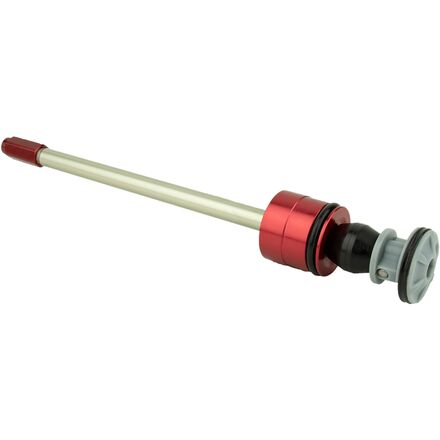
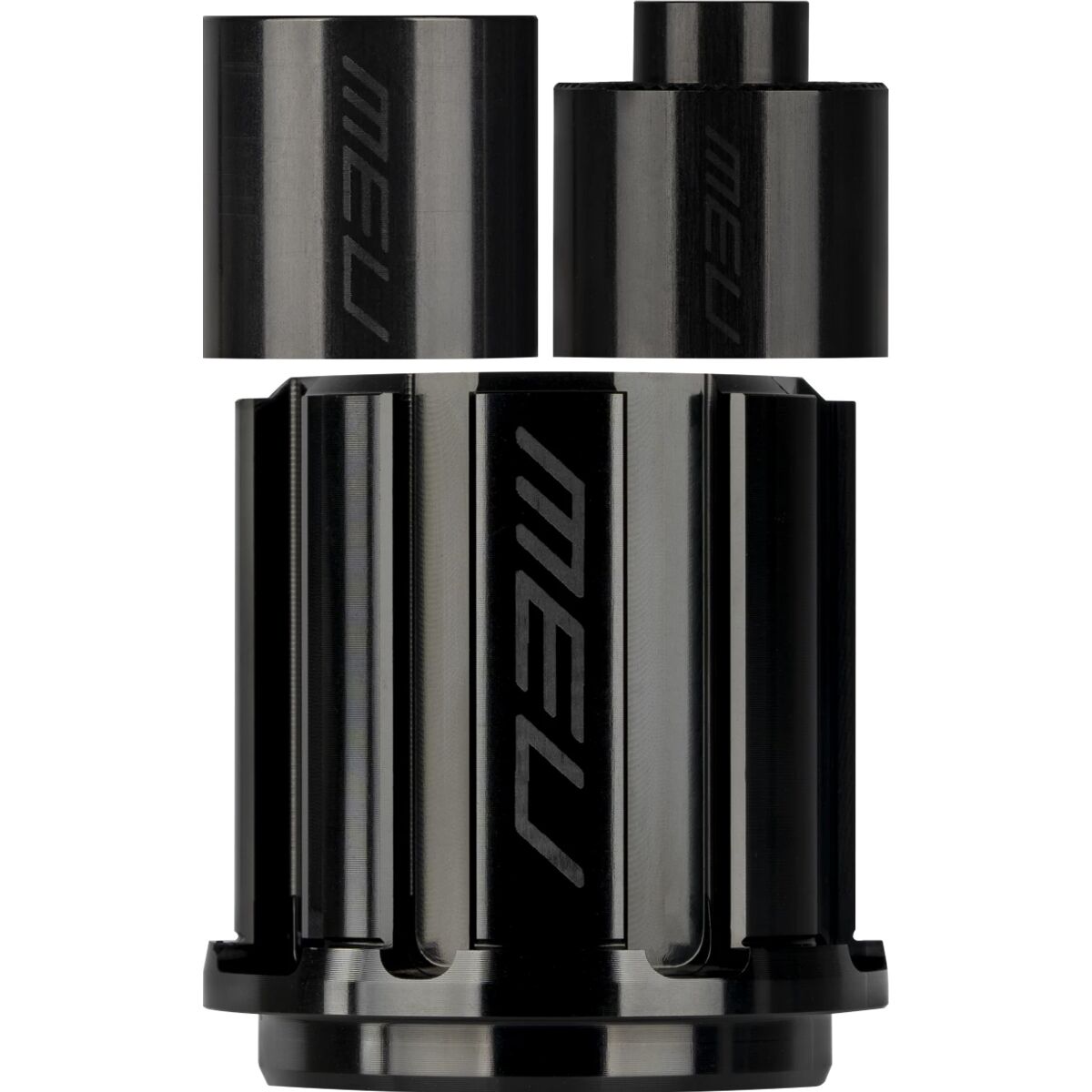
Compatibility with different cassette setups depends on matching the freewheel body to your wheel mechanism and drivetrain cassette standard. The Mavic Freewheel Body helps your wheel and cassette work together.
It is designed to be compatible with both the freewheel mechanism of your wheel and the cassette that matches your bike’s drivetrain. Mavic offers options for several wheel mechanisms, including ID360, ITS4, and FTS-L, along with cassette standards such as Shimano HG, XD, XD-R, Microspline, Campagnolo ED, N3W, and Singlespeed.
So if you are trying to run a different cassette setup, identify the wheel’s mechanism, identify the cassette standard required by your drivetrain, and then choose the matching body. Get that interface right, and the rest of the setup gets a whole lot simpler.
Why the right body matters
The beauty of the Mavic Freewheel Body is not flash—it is fit. This part is built to bridge two critical points in your setup: the wheel’s internal freewheel mechanism and the cassette standard your drivetrain calls for. That means it helps match your wheel’s freewheel mechanism to the cassette standard your drivetrain requires.
Mavic covers a broad range of combinations, which is the real win here. Supported mechanism types include ID360, ITS4, and FTS-L. Supported cassette standards include Shimano HG, XD, XD-R, Microspline, Campagnolo ED, N3W, and Singlespeed. That range covers multiple freewheel mechanism types and cassette standards.
- Wheel-specific fit: Choose a body that matches your Mavic mechanism.
- Drivetrain-specific interface: Select the cassette standard your bike requires.
- More setup flexibility: Multiple standards mean fewer dead ends during upgrades.
- Focused compatibility: The right part solves the connection point that matters most.
In other words, speed compatibility is not just about counting cogs. It is about using the correct mounting standard on the wheel side. Get that piece right, and the rest of the drivetrain conversation gets a whole lot smoother.
How to choose the correct option
Picking the right setup is less mystery, more checklist. Start with the wheel, then move to the cassette. The Mavic Freewheel Body lineup is organized around those two decisions.
- Identify your wheel’s freewheel mechanism. Check whether your wheel uses ID360, ITS4, or FTS-L. This is the first filter, because the body has to work with the wheel itself.
- Confirm your cassette standard. Match your drivetrain to the correct interface: Shimano HG, XD, XD-R, Microspline, Campagnolo ED, N3W, or Singlespeed.
- Choose the body that matches both. One side needs to fit the wheel mechanism, and the other needs to accept the cassette standard your bike uses.
- Use speed as a follow-up check. Once the cassette standard is correct, then make sure the cassette itself matches your drivetrain speed.
If you are mid-upgrade and the setup starts feeling like a parts-bin puzzle, a Gearhead® Expert can help you sort the wheel mechanism and cassette interface before you order. That saves time, avoids mismatch drama, and keeps your next drivetrain change from turning into garage-floor theater.
Why shop Backcountry for drivetrain fit questions
Compatibility calls are where details matter. One small interface mismatch can stop a build cold, and nobody wants to learn that after the cassette is halfway on. That is why the focus stays on the gear connection points that actually decide whether a setup works.
If you have drivetrain compatibility questions, start by checking the wheel mechanism and cassette standard to narrow down the right freewheel body. When you are sorting through options like ID360, ITS4, or FTS-L and pairing them with standards like Shimano HG, XD, XD-R, Microspline, Campagnolo ED, N3W, or Singlespeed, the goal is simple: get the right part the first time.
Clean fit, fewer surprises, more ride time. That is the whole game.
Why Buy Your Mavic Freewheel Body from Backcountry?
When you are dialing in a compatibility-sensitive part like the Mavic Freewheel Body, Backcountry keeps the buying process simple with free 2-day shipping on orders $150+ for Summit Club+ members and a consistent 90-day return policy across every brand it carries.
- Free 2-day shipping — on orders $150+ with Summit Club+, helping remove a key friction point when you are trying to get the right part fast
- 90-day returns — one straightforward return process for multi-brand orders, without having to sort through separate brand policies
- Store credit beyond 90 days — returns are still accepted for store credit after the standard return window
- Consistent across brands — whether your order includes one brand or several, the process stays the same and easy to follow