Inspect first, then decide
If you suspect core damage like a core shot or dead spots, inspect the rope carefully and follow the manufacturer’s safety guidance before using it for climbing. That matters across a range of climbing objectives, since different uses can put different demands on a rope.
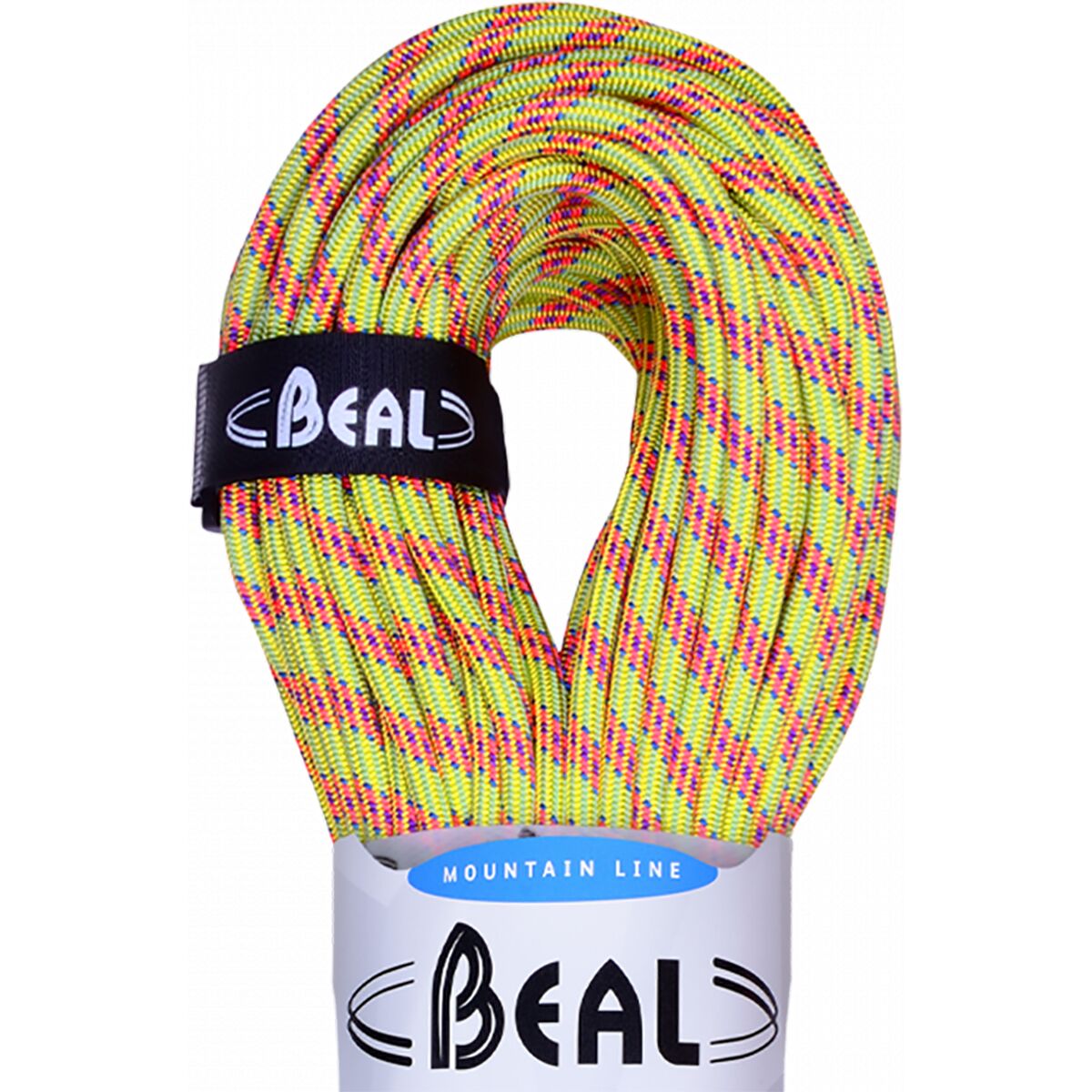
The Beal Ice Line 8.1mm Rope is built as a lightweight option for technical terrain. Its slim 8.1mm diameter and 42-gram-per-meter construction help keep weight down when the approach is long and the climbing is serious. That lightweight design is part of the appeal for climbers heading into exposed belays, glacial faces, and other high-consequence terrain.
It also uses dual dry treatment with Dry Cover and Golden Dry, which helps the rope shed water and makes it less likely to freeze in cold conditions. That is a useful feature for icy routes and glacial environments where wet ropes can become harder to manage.
Still, questions about visible wear or unusual feel are separate from the rope’s intended performance features. If the core has been damaged, the rope may no longer perform as intended. If you find a core shot, a dead spot, or any section that feels unusual, stop and consult the manufacturer’s inspection and retirement guidance before climbing on it.
Why climbers choose this rope in the first place
The Beal Ice Line 8.1mm Rope is all about moving light without giving up technical performance. At 8.1mm and 42 grams per meter, it trims weight in the pack and on route, which pays off when the approach is long, the rack is full, and the belay ledge feels about the size of a lunch tray.
It is also built with a low-impact force design, a detail climbers appreciate when placements, stances, and terrain are less than casual. That lower impact feel is part of what makes a rope like this appealing for serious mountain use, where every piece of the system needs to work cleanly and predictably.
Built for cold, wet terrain
Where this rope really leans into its intended use is weather resistance. The dual dry treatment combines Dry Cover and Golden Dry to help the rope shed water and stay less likely to freeze. That is a real advantage on glacial faces and icy routes, where wet ropes can get heavy, stiff, and generally rude.
- 8.1mm diameter: slim handling for technical objectives
- 42g per meter: lighter carry on long days
- Low-impact force: tuned for consequential terrain
- Dry Cover + Golden Dry: helps manage water and cold conditions
That said, performance features are only valuable when the rope is structurally sound. Once the core is compromised, the conversation shifts from performance to retirement.
How to think about rope condition by objective
Different climbing styles punish ropes in different ways, so it helps to think about condition in the context of where you plan to use it. The question is not just whether a rope still handles well in your hands, but whether its condition matches the demands of the day.
- Trad multipitch rock: Trad multipitch rock can involve repeated handling, belays, rappels, and contact with rock. If a rope seems compromised, it may be worth reassessing whether it is still appropriate for demanding use.
- Alpine climbing: For big days in the mountains, a lightweight rope can be appealing. That makes condition worth a close look before heading into remote terrain.
- Ice climbing: Ice climbing can put ropes in wet, cold conditions. A rope designed to shed water can be appealing for cold, wet conditions, assuming it is in good condition.
What to prioritize in a replacement
For climbers replacing a worn line, focus on the traits that match the mission: low weight for long approaches, low-impact force for technical terrain, and dry treatment for cold, wet environments. The Beal Ice Line 8.1mm Rope checks those boxes for alpine and ice-focused objectives when it is in sound condition.
If your current rope has suspect sections, it may be worth reassessing before the next objective. A fresh rope with the right feature set can bring more confidence to the day, especially when the route is long and conditions are less than friendly.
Get the right rope before the next objective
Backcountry is built for decisions like this one: gear choices that matter when the route gets long, cold, and consequential. If your current line has a damaged core, it may be time to consider replacing it with a rope that matches the objective.
That is where a Gearhead® Expert comes in. You can talk through intended use, whether you are packing for trad days, alpine pushes, or ice climbing laps, and get pointed toward gear with the features that matter—light weight, low-impact force, and dry treatment for wet, freezing conditions.
The Beal Ice Line 8.1mm Rope is built for technical mountain use with a slim profile, low weight, and dual dry treatment that helps it shed water and stay less likely to freeze. When your objective calls for precision, that kind of design earns its place in the pack. And when an old rope starts raising questions, getting into a rope that better fits the next mission is a solid move.
Why Buy the Beal Ice Line 8.1mm Rope from Backcountry?
When you’re replacing a critical piece of climbing gear like the Beal Ice Line 8.1mm Rope, sourcing matters. Backcountry works through direct relationships with many of the outdoor industry’s most respected brands, so every product is authentic and backed by the full manufacturer warranty. No gray-market goods, and no third-party sellers.
- Authorized dealer — offering top outdoor brands including Patagonia, Arc'teryx, Black Diamond, Salomon, Scarpa, Specialized, Osprey, and hundreds more
- Full manufacturer warranty — products are sourced through authorized distribution channels, not unverified marketplace sellers
- Complete size and color runs — managed inventory with early access to new collections
- 90-day return policy — one simple, consistent process across every brand, including multi-brand orders
- No counterfeit risk — unlike open marketplaces, every item at Backcountry is vetted and fully warranted