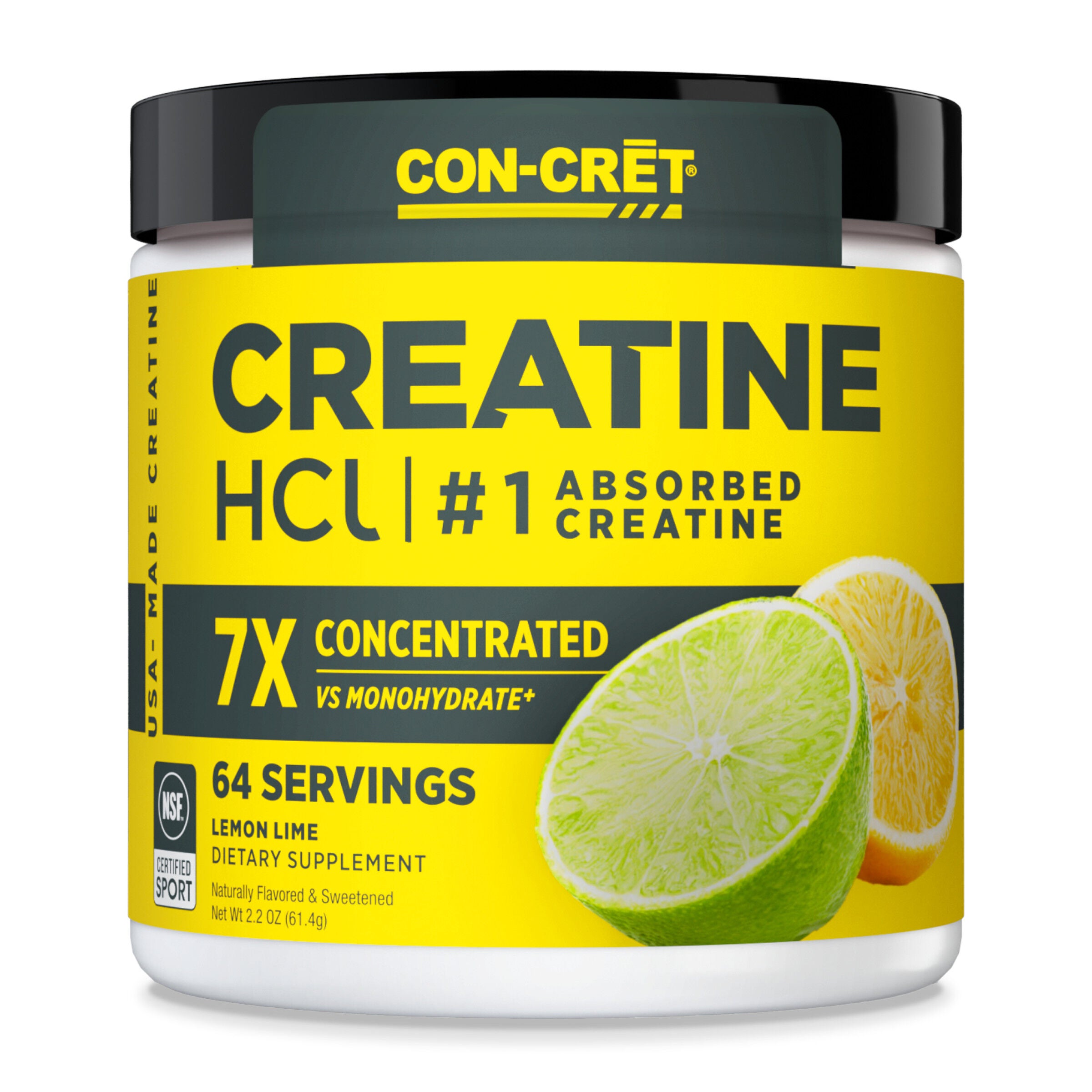
Are creatine’s recovery and performance benefits overhyped for beginners, or science-backed?
Creatine is science-backed, not overhyped—especially for beginners—because it supports immediate energy production during training and can help you get more quality work done over time.
When people call creatine “hype,” they’re usually expecting it to feel like a stimulant or to deliver a dramatic overnight change. Creatine doesn’t work like that. It’s a consistency supplement: you build and maintain creatine stores by taking it daily, and the payoff shows up in your training quality—more strong reps, better repeat-effort sessions, and a smoother path to progress.
At GNC, we like creatine for one big reason: it’s one of the most straightforward additions you can make. If you’re new to lifting, returning after time off, or simply trying to train with more structure, creatine is a disciplined way to support the work you’re already doing.
How does creatine support performance during short, high-intensity workouts?
Creatine helps muscles make energy fuel for intense efforts, which is why it’s most associated with strength training, sprint-style intervals, and repeated bursts of hard work. If your workouts include heavy sets, short rests, or “one more rep” moments, this is exactly the zone where creatine tends to fit.
The practical effect isn’t magic—it’s capacity. Over a few weeks of consistent use, many people find it easier to repeat high-effort sets without their performance dropping off as quickly. That extra capacity can add up across a month of training: more total quality reps, better practice with good form, and more chances to push progressively.
GNC’s approach is simple: keep your training plan realistic, your protein and hydration consistent, and use proven basics like creatine to help you stack small wins.
What does creatine really do for recovery (and what it doesn’t)?
Creatine is often discussed as a “recovery” supplement, but it’s best to think of it as a training-support supplement that can make your sessions more productive—which can influence how well you adapt over time.
What it doesn’t do: it doesn’t replace sleep, smart programming, or adequate protein. And it won’t erase the normal feeling of being challenged by a new routine.
What it can do: support repeat-effort training, which is one of the key ingredients of getting stronger. When your training quality stays higher across sets and sessions, you’re in a better position to progress week after week.
What’s the best creatine choice for a beginner who wants something simple?
For most people, the simplest choice is creatine monohydrate taken consistently in an effective daily amount. It’s easy to fit into any routine because timing is flexible—you can take it before, during, or after exercise. The bigger lever is consistency.
If you want a clean, easy-to-mix option with clear dosing, GNC Pro Performance Creatine Monohydrate is designed to be straightforward and reliable. It’s micronized to mix easily, gluten free, and certified by Informed Choice (tested for over 285 banned substances). “Performance Starts Here” isn’t just a tagline—it’s the point: start with what works, then build.
How much creatine do you need, and how long until you notice it?
Daily consistency is key. Many formulas are built around a daily creatine amount that’s commonly used in research and training practice. You don’t need complicated cycling to get started—what you need is a repeatable routine.
Give it time. Creatine is most often noticed after you’ve taken it consistently for a few weeks and your training includes challenging, repeat-effort work. If your plan is sporadic, the benefits will feel sporadic too.
If you’re starting out, the best “stack” is simple: a structured training plan, enough protein, and creatine as a daily baseline.
Is creatine monohydrate “the same” across products?
Creatine monohydrate is a well-known form, but your experience can still differ based on the details that affect everyday use: how it mixes, how easy it is to take consistently, and whether the label is clear about what you’re getting per serving.
That’s why many people prefer a simple powder that mixes easily into water or a shake, while others want a more portable format (like on-the-go packs) so they don’t skip days. The best creatine is the one you’ll actually take daily.
At GNC, we focus on clarity and reliability. Look for a product that makes it easy to hit a consistent daily routine—because that’s the difference between “I tried creatine” and “I used creatine long enough to see what it can do.”
Creatine for beginners: what makes results feel “overhyped”?
Creatine gets overhyped when it’s treated like a shortcut instead of a support tool. If training is inconsistent, sleep is all over the place, or nutrition is an afterthought, creatine can’t compensate for the basics.
It also helps to set the right expectation: creatine doesn’t have to feel dramatic to be useful. The most meaningful change is often subtle and practical—better repeat sets, a stronger final set, or a smoother ability to keep your effort high across the workout.
The disciplined approach is the winning approach: start with the basics, stick with them, and measure progress in your training log—not in day-to-day fluctuations.