When to replace it
Replace a rope like this when wear, damage, or doubt starts to outweigh trust. A climbing rope is life-safety gear, so the wrong time to squeeze out a few more days is when you’re already wondering if it still deserves a spot in the system.
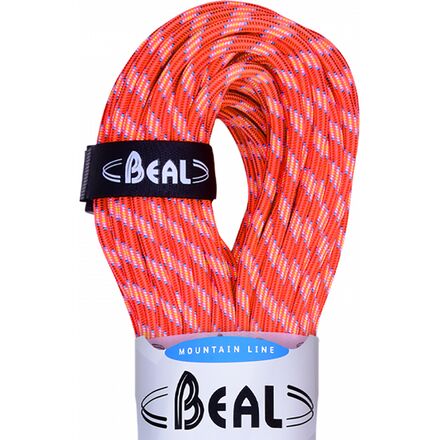
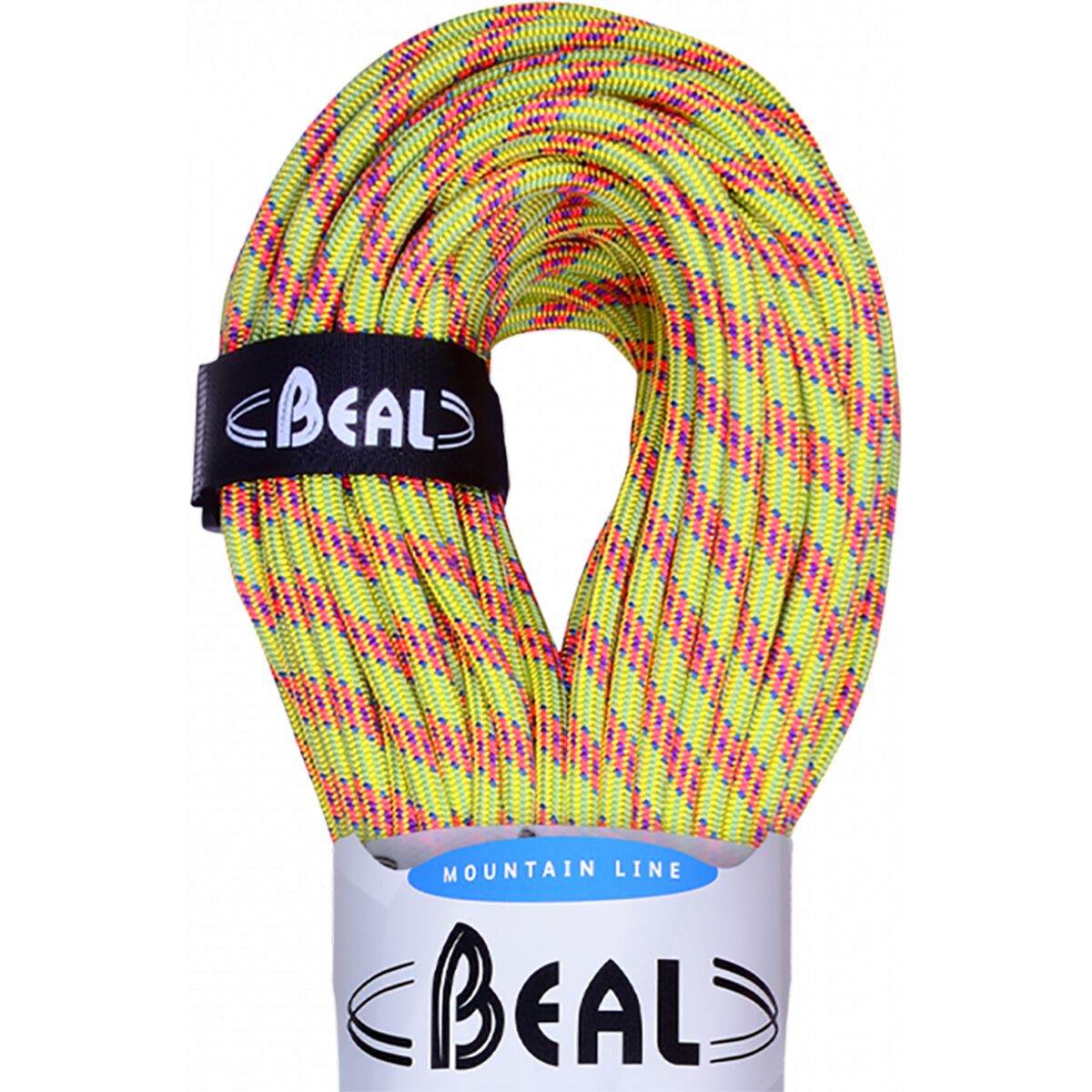
That matters even more with a lightweight line built for moving light in serious terrain. The Beal Ice Line 8.1mm Rope is designed around low weight, low impact force, and features aimed at cold, wet environments. At 8.1mm and 42 grams per meter, it’s made to keep the load light, especially when weight matters in alpine terrain.
So how do you weigh cost against safety? Don’t treat it like a spreadsheet problem. Treat it like a consequence problem. Saving money is nice. Trusting your system when the stance is small, the air is big, and the weather is doing weather things is nicer.
In other words: retire the rope before it retires your confidence. Then choose a line that matches the terrain you actually climb. For cold-weather objectives, that means looking hard at water shedding, resistance to freezing, low-impact force, and low weight.
Why this rope makes sense for alpine objectives
The Beal Ice Line 8.1mm Rope is built for climbers who want less drag in the pack and less dead weight on route. Its slim 8.1mm diameter and 42-gram-per-meter construction keep things light, which pays off on long approaches, wandering ice lines, and any day where the rack already feels like a hardware store clipped to your harness.
But this rope isn’t just about trimming grams. It also delivers low impact force, a meaningful trait when you’re dealing with less-than-luxurious stances. On a sketchy belay ledge, smoother force management is the kind of detail that matters in a very real way.
Performs well on glacial faces and in cold-weather routes
Where this line really earns its keep is on glacial faces and cold conditions. Beal uses both Dry Cover and Golden Dry treatment, giving the rope dual dry protection that helps it shed water. That means it also helps shed water and is less likely to freeze on glacial faces.
- 8.1mm profile: light, compact handling for weight-conscious missions
- 42g per meter: easier packing for long days out
- Low impact force: a smart trait for exposed belay situations
- Dry Cover + Golden Dry: helps shed water and is less likely to freeze on glacial faces
If your climbing calendar leans toward glacial faces and icy objectives, this is the kind of rope that lines up with the mission instead of fighting it.
How to think about cost versus safety
The cleanest way to judge rope value is to stop looking at cost in isolation. Look at where and how you climb. If your objectives involve wet snow, ice, glacial terrain, or exposed belays, the rope’s job gets more demanding. That’s where features tied directly to the environment matter more than trying to stretch gear past the point where you trust it.
For this category, a few details deserve extra weight. First, low mass matters because lighter ropes reduce carry burden on long approaches and technical days. Second, low impact force matters because harsh catches and awkward stances are part of the game. Third, dry treatment matters because water and freezing conditions can turn a normal day into a rope-management headache fast.
What to prioritize before you buy again
- Match the rope to the terrain. Cold, wet routes call for strong water-shedding performance.
- Respect confidence. If you’re second-guessing the line, that’s already useful information.
- Pay for function, not fantasy. Focus on weight, impact characteristics, and dry protection.
- Think mission-first. The right rope earns its place by supporting the kind of climbing you actually do.
A rope is one of those pieces where false economy can get loud in a hurry. Better to replace early than spend a whole route wondering if you should have.
Why shop Backcountry
Backcountry is here for people who care how gear performs when the route gets real. That means curated product picks and guidance to help you choose gear for your objective.
If you’re sorting out whether it’s time to retire a rope and what to replace it with, our content can help you think through the tradeoffs. Keep the focus on factors like weight, wet-weather performance, impact characteristics, and the kind of terrain you’re actually heading into.
That’s the Backcountry approach. Less noise. More useful detail. Better gear decisions before you leave the trailhead, the parking lot, or that last patch of cell service behind.
Because when the route is cold, exposed, and a little rowdy, confidence in your setup is worth carrying.
Why Buy the Beal Ice Line 8.1mm Rope from Backcountry?
When you’re replacing life-safety gear like a climbing rope, authenticity matters. Backcountry works through direct relationships with many of the outdoor industry’s most respected brands, so every product is authentic and backed by the full manufacturer warranty. That means no gray-market goods and no third-party sellers.
- Authorized dealer — including Beal and hundreds of other leading outdoor brands
- Full manufacturer warranty — products are sourced through authorized distribution channels, not unverified marketplace sellers
- Complete size and color runs — managed inventory with early access to new collections
- 90-day return policy — one consistent process across brands, including multi-brand orders
- No counterfeit risk — every item sold by Backcountry is vetted and fully warranted