The short answer
For natural-foot-shape runners who want stability, trail feel, and all-day comfort across changing terrain, the La Sportiva Bushido III Wide Trail Running Shoe - Men's is a strong match when your runs lean technical and you want a more accommodating fit. The wide version gives a little more room than a tight, race-style hold, while the shoe still keeps things precise where it matters.
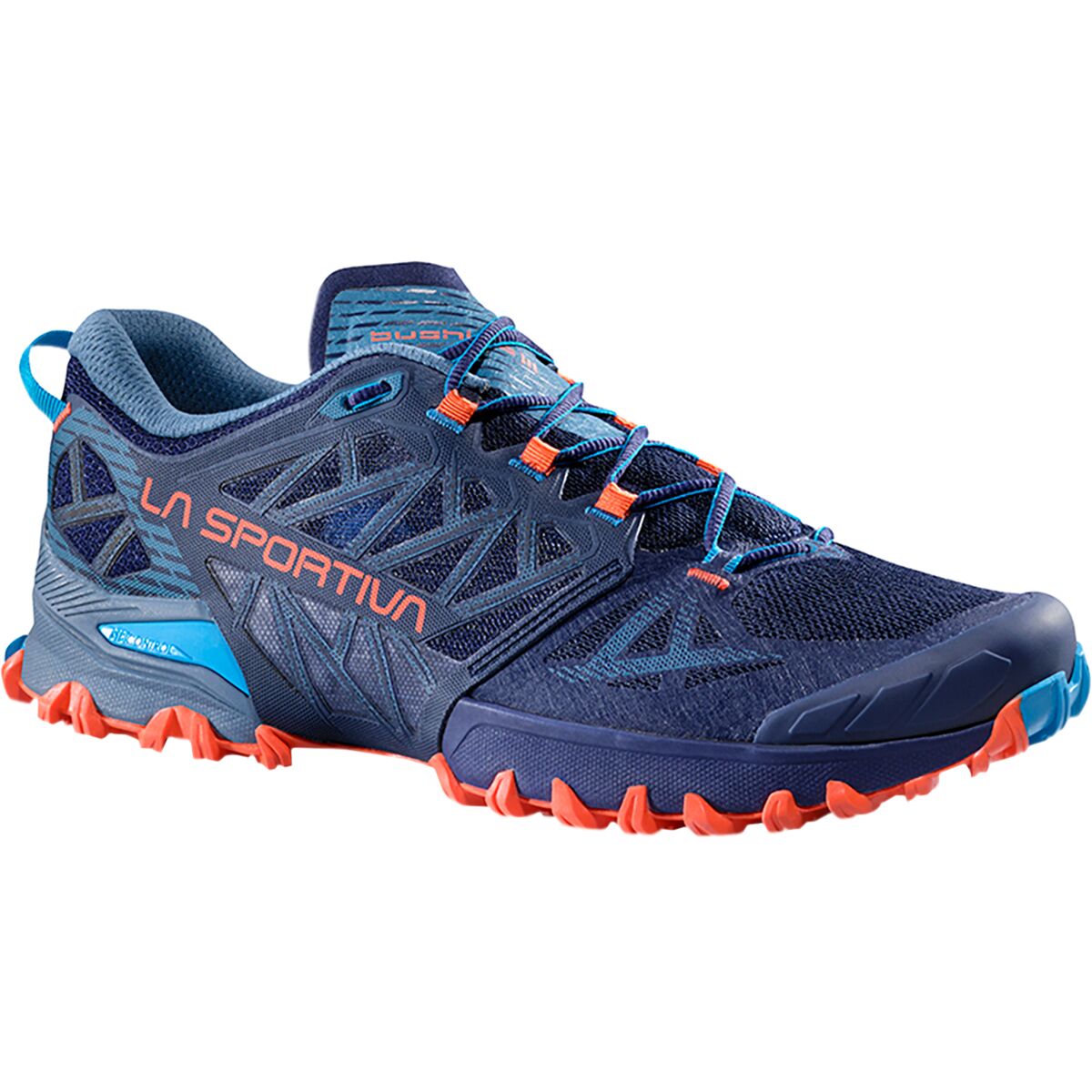
What makes it click is the way it balances control and trail connection. The Stability Control System uses lateral and medial side panels that run from the laces down to the sole, helping add torsional control when the trail gets awkward, rocky, or off-camber. That means a more planted feel without piling on bulky language or oversized promises.
It also brings comfort upgrades that matter once the miles stack up. The upper is airier in this version, which helps the shoe feel cooler and less boxed-in, and the updated side-panel fabrication is designed to improve airflow while keeping the structure in place. Underfoot, the revamped lug pattern and sticky rubber compound are built to keep your footing consistent from valley mud to ridgeline rock. One fit note worth knowing: this shoe runs small, so sizing up makes sense if you are not into a tight performance fit.
Why this shoe works on rough trail
The big win here is control without losing the plot underfoot. The La Sportiva Bushido III Wide Trail Running Shoe - Men's is built for technical terrain, and its support comes from structure rather than fluff. The side panels wrap from lace to sole on both sides of the foot, creating a more dialed feel when the trail turns loose, rocky, or uneven. That added torsional control can help the shoe feel composed when your line choice gets spicy.
Comfort gets a meaningful bump too. This version uses a more breathable upper and revised panel construction to increase airflow, which helps on warm climbs, long traverses, and those runs where the weather cannot make up its mind. A shoe that breathes better tends to feel less like a negotiation by mile five.
Traction you can trust
- Revamped lug pattern helps improve grip across changing surfaces.
- Sticky rubber compound aims to solidify foot strikes and toe-offs.
- Mixed-terrain focus handles mud in the valley and rock up high.
The result is a trail shoe that feels ready for varied footing, with a fit and feature set that favors runners who want a secure ride and a bit more room up front. It is a technical shoe with trail manners, not a blunt instrument.
How to choose for fit, feel, and terrain
If natural foot shape is high on your list, start with fit before anything else. The La Sportiva Bushido III Wide Trail Running Shoe - Men's is the relevant call here because it is the wide version, but there is still an important caveat: customer feedback suggests it runs small. If you are used to a roomier everyday fit and not a snug performance wrap, sizing up is worth serious consideration.
Next, think about where you run most. This shoe makes the most sense for technical terrain where lateral control and dependable grip matter just as much as cushioning. The Stability Control System is especially useful when the trail rolls from smooth dirt into angled rock, choppy descents, and sections that punish lazy footwork.
- Choose it for technical routes if your runs regularly include rocks, ridgelines, and muddy approaches.
- Choose it for secure footing if you value sticky rubber and a more aggressive lug layout.
- Choose it for a roomier option if standard narrow performance fits feel restrictive.
If your priority is a stable shoe that still keeps you connected to rough ground, this setup makes a lot of sense. Just get the size dialed before you head out, because a good trail day starts long before the first switchback.
Why shop this pick at Backcountry
Trail shoes are personal. Fit, terrain, and underfoot feel all matter, and small details can make the difference between locked-in confidence and a long run spent second-guessing every step. That is why Backcountry keeps the focus on real performance details, not fluff.
If you want another set of eyes on sizing or where this shoe makes the most sense, talk with a Gearhead® Expert. You will get straightforward guidance from someone who speaks trail, understands technical gear, and knows that “comfortable” means more than soft foam and crossed fingers.
Backcountry is built for people who care about the gear as much as the miles. From daily dirt to rocky ridge missions, the goal is simple: help you get into the right kit, feel good about the choice, and spend less time guessing when the trail gets interesting.
Why Buy the La Sportiva Bushido III Wide Trail Running Shoe - Men's from Backcountry?
When you are dialing in trail-shoe fit and feel, Backcountry keeps the buying process simple with free 2-day shipping on orders $150+ for Summit Club+ members and a straightforward 90-day return policy that applies the same way across every brand it carries.
- Free 2-day shipping — on orders $150+ with Summit Club+, which helps remove a key friction point
- 90-day returns — one return process for multi-brand orders, without having to sort through separate brand policies
- Store credit beyond 90 days — returns are still accepted for store credit after the standard return window
- Consistent regardless of brand — whether your order includes the Bushido III Wide Trail Running Shoe or gear from several brands, the process stays simple