Is it warm enough for 5°C camps and occasional alpine trips?
Yes—the Sea To Summit Ether Light XR Insulated Sleeping Mat is a strong match for chilly three-season camping, and it also makes sense for occasional alpine outings when you want more warmth without hauling extra bulk. Its 4.5 R-value and Thermal Core insulation are built to reflect body heat and reduce internal air movement, which is exactly the kind of design you want when the ground starts pulling heat out of you after sunset.
That said, this pad is best understood as a versatile insulated option rather than a one-mat-for-every-forecast hammer. It’s described as ready for everything from summer backpacking to winter expeditions, so there’s real cold-weather intent here, but your full sleep system still matters. Quilt or bag choice, shelter, clothing, and how exposed your camp is will all shape how warm the night feels.
For most three-season missions, this is right in the sweet spot: enough insulation for chilly shoulder-season camps, enough comfort for multi-day use, and enough packability that it won’t become the item you regret at mile eight. If your alpine plans are occasional rather than full-time deep-cold objectives, this mat looks well suited to the job.
Why this pad feels better at the end of a long day
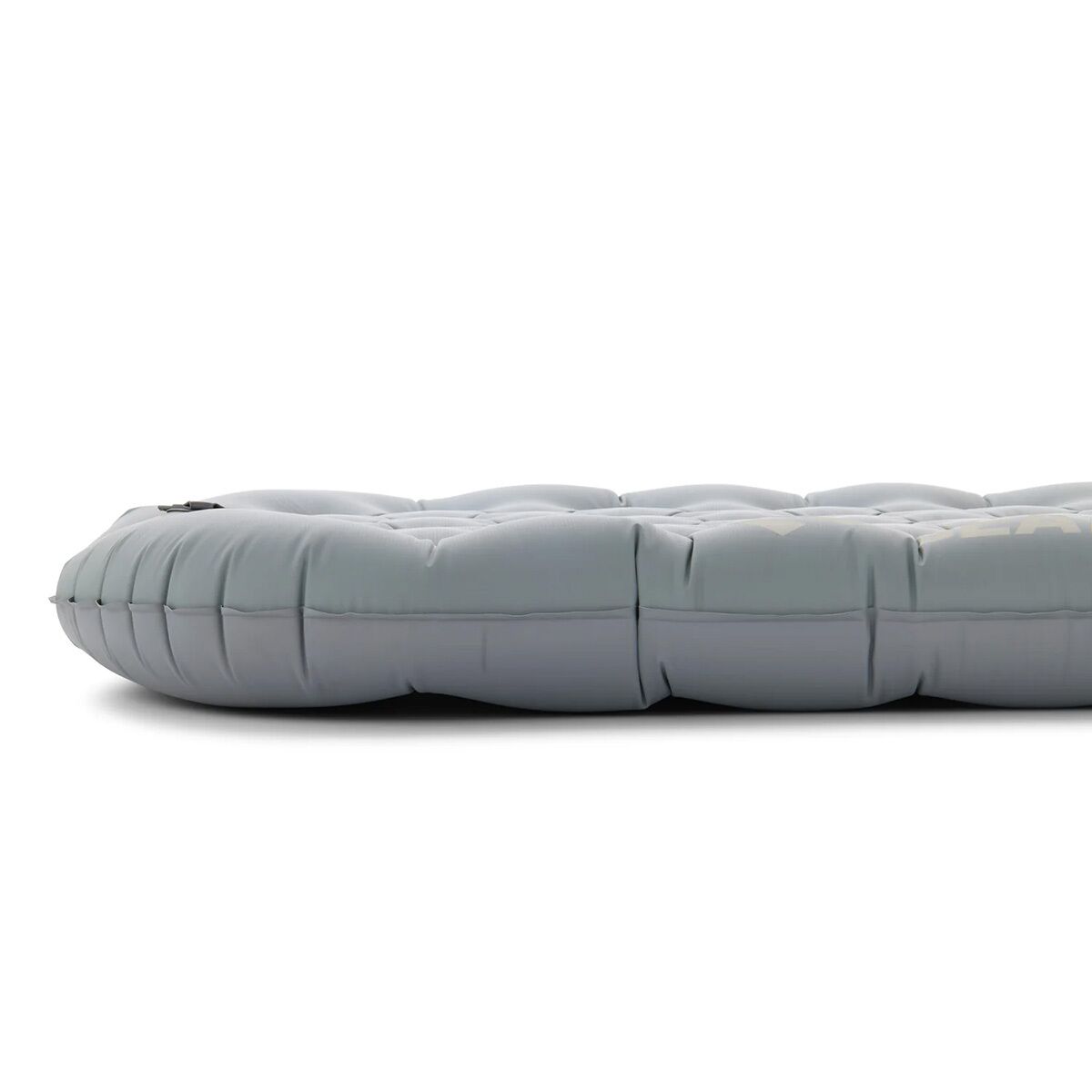
A sleeping pad can save a trip or sabotage it, and this one is built with the details that matter when your legs are cooked and the ground is not exactly rolling out the welcome mat. The Air Sprung Cells are designed to provide enhanced support, helping reduce pressure points while adding stability across uneven camps. Translation: less midnight fidgeting, more actual sleep.
The insulation story is just as important. Thermal Core insulation reflects body heat and minimizes internal air movement, which helps preserve warmth in colder conditions without piling on unnecessary weight. That balance is the whole play here—real insulation for chilly nights, but still tuned for moving fast and packing light.
Built for warmth without bulk
- Air Sprung Cells: Supportive feel that helps cushion pressure points.
- Thermal Core insulation: Designed to hold warmth more efficiently in cold conditions.
- 4.5 R-value: A solid zone for shoulder-season camping and broader versatility.
- Lightweight construction: Easier to carry on multi-day trips.
- Packable design: Better for backpacking when space is tight and every ounce gets a vote.
Designed for packable comfort and warmth when conditions turn chilly.
How to decide if this is the right insulation level for your trips
If most of your camping happens from spring through autumn, and your nights regularly dip into chilly territory, the Sea To Summit Ether Light XR Insulated Sleeping Mat lands in a very practical zone. It’s especially appealing if you want one insulated pad that can cover a wide range of trips instead of splitting duties between a warm-weather mat and a colder-condition option.
- Think about your usual overnight temps. With a 4.5 R-value, this pad is designed to add insulation for cooler conditions.
- Consider how often you camp high and exposed. For occasional alpine nights, the added insulation is a smart buffer. If that becomes your normal program, the rest of your sleep setup matters even more.
- Be honest about comfort. If you sleep best with more support under you, the Air Sprung Cell construction is a meaningful part of the equation—not just a nice extra.
- Look at pack strategy. If you count ounces and still want warmth, the low-bulk design is a big win.
This is the kind of pad that makes sense for backpackers who want fewer compromises: enough warmth for colder camps, enough comfort for repeated use, and enough packability to stay in the rotation all season long.
Why shop it at Backcountry
Dialing in a sleep system is one of those choices that looks simple until weather, elevation, and ground temps start stacking the deck. That’s where Backcountry comes in. We’re gear-forward, trail-tested, and genuinely stoked on helping you sort out what works for the way you actually camp.
If you’re weighing whether this pad fits your typical camping setup or wondering how it might work for your plans, a Gearhead® Expert can help you think through the details that matter—warmth, comfort, packability, and trip range—without turning it into a spreadsheet convention.
The goal is simple: get you into the right kit for better nights outside and stronger mornings on the move. Because when your pad is doing its job, you notice the route ahead—not the cold ground underneath you.
Why buy the Sea To Summit Ether Light XR Insulated Sleeping Mat from Backcountry?
When you’re choosing sleep-system gear for chilly camps, Summit Club+ ($49/yr) adds value on every order with 10% instant cash back on both full-price and sale items. Cash back posts right after purchase, and one order over $490 covers the membership fee entirely.
- Instant cash back — posts immediately after purchase, not once a year
- Earns on sale and clearance items — unlike many outdoor retailers, rewards apply beyond full-price gear
- Redeem on anything — use your cash back on full-price and sale items with no restrictions
- Free 2-day shipping on orders $150+
- Dedicated Gearhead Expert — get your own personal gear advisor by chat, phone, or text
- 20% off birthday discount plus early access to deals and new gear drops
- Partner Perks — $100 off Mountain Collective passes, $140 off Outdoorsy, free USA Cycling membership
- 365-day satisfaction guarantee — full refund on membership within a year, minus any cash back redeemed