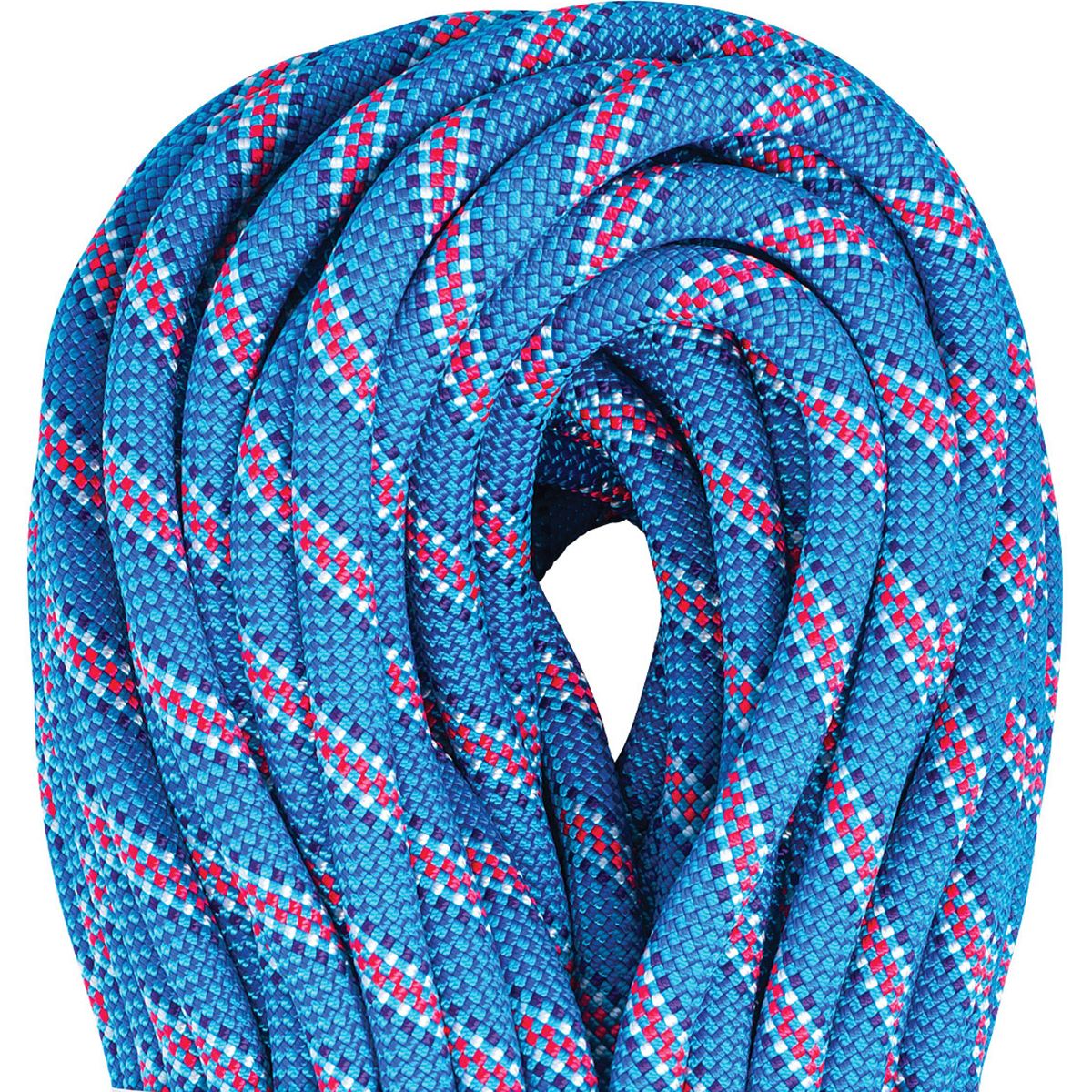
A rope that folds completely on itself may be worth a closer inspection. Check the manufacturer’s guidance before using it.
What to make of an unusual section
If something seems off with your rope, consider checking the manufacturer’s guidance before use. The BEAL Antidote Climbing Rope is designed for repeated falls, top-rope laps, and plenty of abrasion, with a beefy 10.2mm diameter and low impact force for a softer catch. That durability is a real plus on the wall, but it does not replace a careful check when a rope no longer seems normal.
If a section seems unusual, pause and take a closer look before your next climb. If part of the rope seems unusual to you, take a closer look before heading out. Better to pause and take a closer look now than wonder about that suspect spot when the climbing gets real.
Before making changes
If you’re considering any changes to a damaged rope, pause and review the product information first. If you notice something unusual with your rope, take a closer look before using it again. The cleanest call is a cautious one: inspect first, verify next, and keep guesswork out of the system.
Built for abuse, not for ignored damage
The appeal of a thicker single rope is pretty straightforward: more material where wear happens, more confidence when the day turns into lap after lap. The BEAL Antidote Climbing Rope leans into that with a 10.2mm diameter that brings impressive abrasion resistance. For climbers setting top ropes, working moves, or taking repeated falls on a project, that extra substance is a real advantage.
It also pairs that durability-minded build with low impact force, which translates to a softer catch. That matters when the crux keeps spitting you off and the rope is doing its job over and over again. A rope like this is meant to handle regular use, repeated loading, and the kind of sessions where progress comes one fall at a time.
- 10.2mm diameter: a beefier build aimed at abrasion resistance.
- Low impact force: helps deliver a softer catch.
- Versatile use: well suited to top-rope days and projecting.
Even durable ropes should be inspected regularly, and any signs of damage mean it may be time to retire the rope. Think of it this way: the rope earns trust by staying consistent. When consistency disappears, it is time for a closer look.
How to think through rope damage without guessing
When a rope feels off, the goal is not to diagnose it with trailhead confidence and a pocketknife. The goal is to make a conservative call. Start with a full hand inspection from end to end. Feel for sudden soft spots, flat sections, bunching, or any area that no longer feels round and uniform. If a section feels notably different or unusually limp, consider taking a cautious approach and evaluating whether replacement makes sense.
- Isolate the suspect area: mark it mentally and compare it to healthy sections nearby.
- Check for consistency: look for sections that feel noticeably different from the rest of the rope.
- Pause if unsure: if you are unsure about a rope’s condition, consider taking it out of use until you can evaluate replacement options.
- Get qualified input: a Gearhead® Expert can help you think through replacement and next steps.
Partial cutting sounds tidy, but it is rarely the clean answer people want it to be. Once a rope has a potentially compromised section, it may be worth thinking carefully about overall condition. If your climbing depends on the line holding a fall, conservative judgment wins every time. Better to replace a rope a little early than discover the hard way that “one weird spot” was the whole story.
Why shop rope questions with Backcountry
Some gear calls for a style opinion. Rope safety is not one of them. When you are sorting out whether a damaged line is still trustworthy, the right move is clear, grounded advice from someone who knows climbing gear and respects the margin for error. That is where Backcountry comes in.
Our crew is built around real-use knowledge. If you need a second opinion, a Gearhead® Expert may be able to talk through general gear considerations with you. No chest-thumping, no guesswork, no “send it anyway” energy. Just practical guidance for gear that has a real job to do.
If your next move is replacement, the BEAL Antidote Climbing Rope brings a beefy 10.2mm build, impressive abrasion resistance, and low impact force for a softer catch—solid traits for top-rope sessions, project burns, and plenty of wall time. Because the best rope call is the one that keeps the day focused on climbing, not crossed fingers.
Why Buy the Beal Antidote Climbing Rope from Backcountry?
With Summit Club+ ($49/yr), every purchase earns 10% instant cash back on full-price and sale items. Cash back posts immediately after purchase, and one order over $490 covers the membership fee entirely.
- Instant cash back — available right after purchase, not once a year
- Rewards on sale and clearance items — unlike most outdoor stores that limit rewards to full-price gear
- Use cash back on anything — redeem on full-price and sale items with no restrictions
- Free 2-day shipping on orders $150+
- Dedicated Gearhead Expert — your own personal gear advisor by chat, phone, or text
- 20% off birthday discount plus early access to deals and new gear drops
- Partner Perks — $100 off Mountain Collective passes, $140 off Outdoorsy, free USA Cycling membership
- 365-day satisfaction guarantee — full refund on membership within a year, minus any cash back redeemed