Know When Your Setup Feels Right
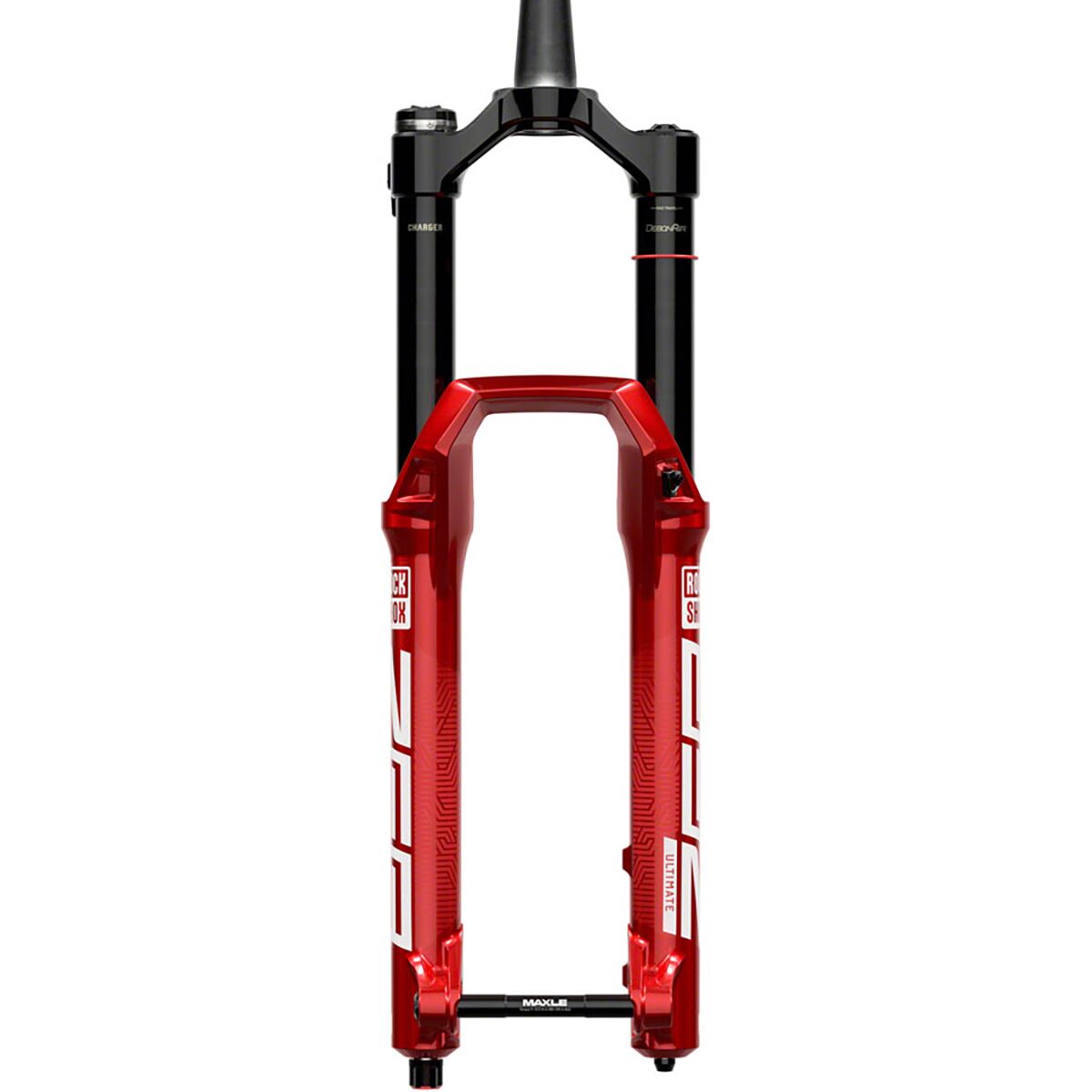
If your fork feels dialed for your setup, it can feel more ready for the ride ahead instead of overly soft or firm. A pressure setting can feel different depending on your setup and what feels best to you. That means the right pressure setting can vary from rider to rider and ride to ride.
If you are wondering whether a specific pressure setting works for you, a suspension pump can help you make small adjustments and recheck your setup. If your fork feels off on the trail, a suspension pump can help you make pressure adjustments. That process can help you fine-tune your setup.
That’s where a high-pressure pump can come in handy. Small pressure changes may affect feel, and a high-pressure suspension pump is designed for making those adjustments. With the right tool, you can refill pressure, recheck your setup, and spend less time fumbling in the garage and more time getting back to carving every sweet stretch of singletrack.
How to Check and Adjust Pressure
Start with your current setup. Before changing anything, note the pressure already in the fork. That gives you a baseline instead of turning setup into a parking-lot science project.
Use a pump designed for suspension pressure adjustments. Connect the pump carefully and read the pressure clearly. A suspension pump can help with small pressure changes.
Make small adjustments. Add or release air in short increments, then recheck. Big jumps can skip right past the sweet spot, especially when you’re trying to decide what pressure feels right.
Match pressure to terrain. If your rides are rougher, faster, or more demanding, you may want a firmer, more supportive feel. If your terrain is smoother or you want more sensitivity, a little less pressure may feel better.
Test on trail, not just in the garage. The real answer shows up when you ride. Look for control through repeated hits, support in corners and compressions, and a feel that stays calm instead of harsh or mushy.
Repeat until it clicks. Fine-tuning is normal. A few careful rounds of adjust, ride, and reassess usually gets you much closer than guessing one number and calling it done.
Why the Right Pump Makes Setup Easier
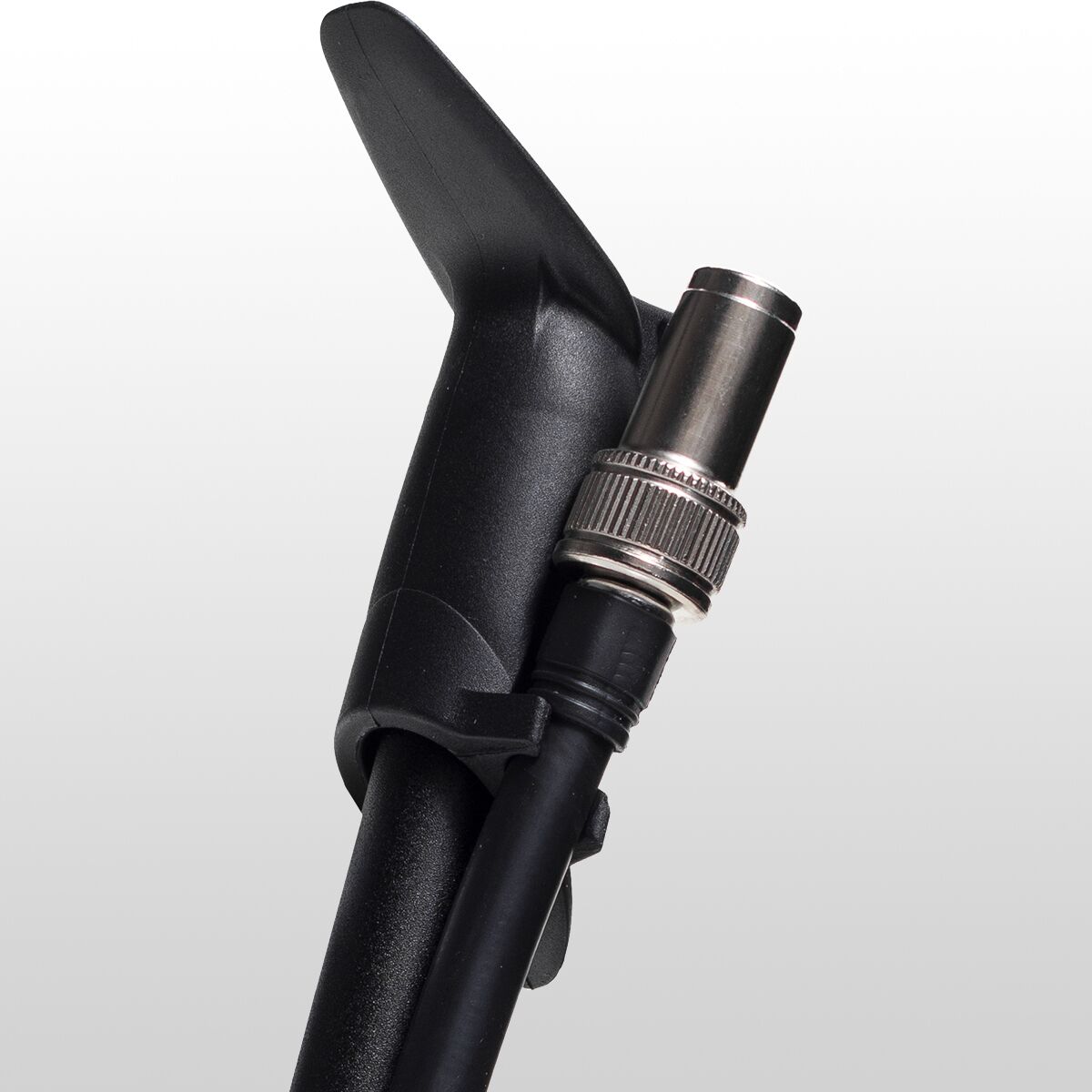
Suspension setup gets a lot less mysterious when the tool in your hand is built for suspension pressure. The RockShox High-Pressure Fork & Shock Pump is designed to deliver a reliable refill, so you can refill pressure and get set up for your next ride. That matters when you’re trying to decide whether a pressure setting feels composed or just close enough.
The machined aluminum housing supplies up to 600psi of steady pressure, which gives you room to work across fork and shock setups without wrestling a flimsy tool. More importantly, that steady pressure is useful when dialing in suspension. Suspension tuning is a game of details, and this pump is a useful tool for the job.
Built for Real-World Adjustments
The 360-degree hose helps you reach awkward valve positions without the usual hand gymnastics. Less fumbling can make checks and adjustments feel easier. When your suspension starts feeling off, this can help you refill pressure for your next ride.
In short: if you want to know whether your pressure feels right, you need a dependable way to adjust pressure. This tool is designed to help with that process, so your fork can feel ready for the next ride instead of one click away from chaos.
Why Shop Backcountry
Suspension setup can get oddly personal, fast. One rider’s perfect front-end feel is another rider’s why-does-this-bike-feel-like-that moment. That’s why Backcountry keeps the focus on gear that helps you tune with confidence, not guesswork.
If you want a second opinion before you air up and roll out, Backcountry is here with helpful guidance on dialing in your setup. No gatekeeping, no jargon avalanche—just useful advice from people who are genuinely stoked on the gear.
This pump helps you fine-tune your suspension for more trail time. Because when the fork is dialed, the whole ride gets better.
Why Buy the RockShox High-Pressure Fork & Shock Pump from Backcountry?
Every purchase comes with access to a Gearhead — a Backcountry-employed outdoor expert who actually uses the gear they sell. Not a chatbot. Not a scripted support agent. When you’re shopping tools for dialing in suspension pressure, Gearheads are category-matched to what you’re buying and available via live chat, phone, or text anywhere in the US.
- Gear matching — help finding the right setup for your body and ability level, whether you’re sorting out bike frame size or other key gear details
- System building — support with bike build specs across multiple brands, not just isolated products
- Sizing and fit — especially for technical gear where sizing charts alone aren’t enough, like boots, harnesses, and packs
- Honest comparisons — real opinions on two products side by side, including when the cheaper option is the right call
- Trip planning — gear recommendations for specific environments, elevations, and conditions
- Pre-purchase and post-purchase support — help before you buy and after, so you can get it right the first time, reduce returns, and shop with more confidence