Why this feels like a real upgrade
If you’re moving on from another lightweight sleeping pad, the Sea To Summit Ether Light XR Pro Insulated Sleeping Mat offers the kind of upgrade you notice the second camp goes quiet: more warmth for cold ground, more cushioning under tired hips and shoulders, and a more refined sleep setup for bigger objectives. This pad is built for cold-weather adventures with a 7.5 R-value, so it’s aimed at nights when insulation matters as much as comfort.
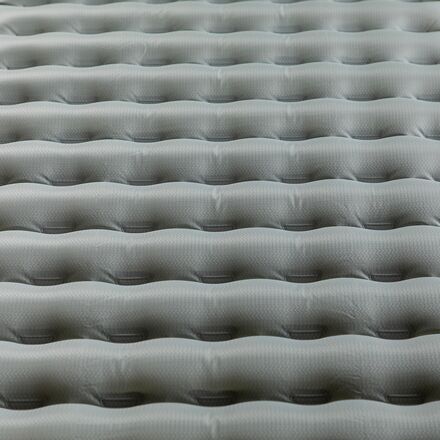
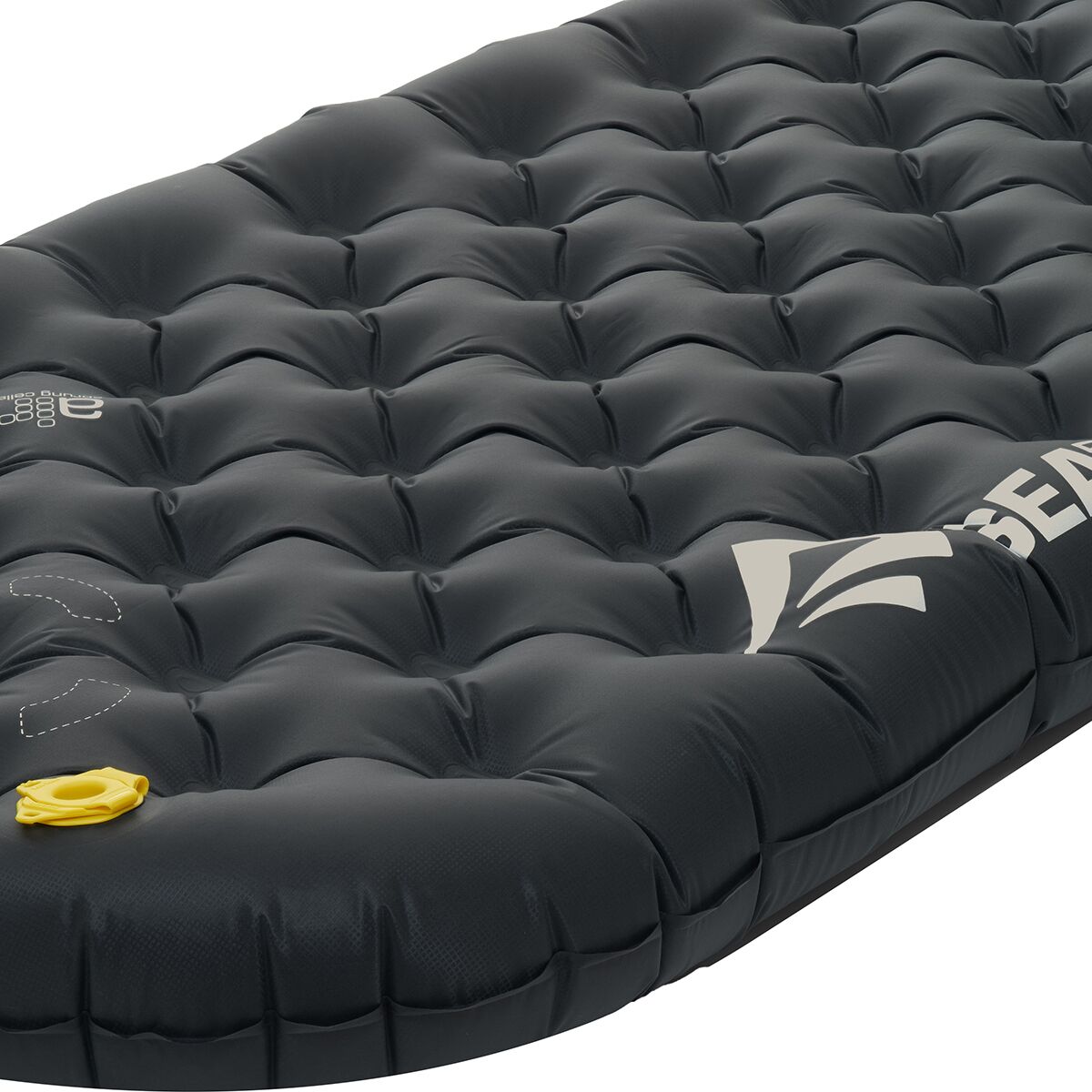
The feel is a major part of the story. Sea To Summit uses Air Sprung Cells to create support that feels more mattress-like than the usual backcountry pad experience. Add in a 4-inch thickness, and you get a lot more separation from uneven ground without dragging a bulky brick into the mountains.
It also keeps the performance side tight. The Thermal Core insulation is designed to reflect body heat and reduce internal air movement, helping the pad hold onto warmth efficiently without piling on unnecessary weight. That makes it a strong pick for winter camping, mountaineering, and cold backcountry treks where sleep quality can shape the whole next day.
In short: this is less about shaving corners and more about sleeping warmer, deeper, and more comfortably when conditions get sharp.
What you gain on cold nights
The biggest advantage here is how this pad balances warmth, comfort, and packability without acting like those goals have to compete. The insulation system uses multiple Thermal Core layers to reflect body heat while limiting air movement inside the pad. That matters when the ground is frozen and every little draft underneath you tries to steal the night.
- Cold-weather insulation: A 7.5 R-value is built for frigid ground temperatures and deep-winter use.
- Plush support: Air Sprung Cells create a more forgiving, evenly cushioned feel for better rest.
- 4-inch profile: Extra thickness helps smooth out rough campsites and adds a more luxurious sleep surface.
- Ultralight intent: It stays focused on high-output adventures instead of turning into dead weight in your pack.
- Compact carry: It packs down surprisingly small for the amount of warmth and cushioning it delivers.
This is the kind of pad that makes sense when your trips are stretching colder, higher, or farther. It’s not just about surviving the night; it’s about waking up with more in the tank. For winter camping and alpine missions, that extra recovery can be the difference between moving well and moving like you slept on a pile of trail mix.
Who this pad makes sense for
Choosing an upgrade comes down to what you want more of in camp. If your priority is better insulation for shoulder-season and winter trips, this pad checks that box in a big way. If your priority is comfort, the 4-inch thickness and Air Sprung Cell construction push the sleep experience closer to a real mattress feel than the usual minimalist setup.
How to decide if it matches your trips
- Look at your conditions: If you’re camping on cold or frozen ground, the high R-value is the headline feature.
- Think about sleep position and campsite quality: More thickness helps when camps are rough, uneven, or less forgiving.
- Consider your objective: For mountaineering, winter camping, and backcountry treks, warmth and recovery matter as much as low weight.
- Check your packing priorities: If you want substantial insulation and cushioning without a huge packed footprint, this design keeps things tidy.
This is a smart move for the camper who’s ready to stop treating sleep as an afterthought. When the route is demanding and the temperature drops, a warmer, thicker, more supportive pad can make camp feel less like damage control and more like actual recovery.
Why shop it at Backcountry
Backcountry is built for the people who care about the details because the details are usually what make a trip run smooth. When you’re choosing sleep gear for colder missions, that means looking past buzzwords and focusing on what really matters: insulation, support, packability, and where the piece fits in your kit.
If you want help choosing, our team can help you think through your setup and trip plans. No gatekeeping, no hard sell—just real gear insight for dialing in a sleep system that matches your objective.
The Sea To Summit Ether Light XR Pro Insulated Sleeping Mat is the kind of upgrade that speaks to performance-minded campers: warmer sleep, better cushioning, and a packable design ready for serious objectives. That’s our lane, too.
Why buy your Sea To Summit Ether Light XR Pro Insulated Sleeping Mat from Backcountry?
When you’re investing in cold-weather sleep gear, Summit Club+ ($49/yr) adds value on every order with 10% instant cash back on both full-price and sale items. Cash back posts right after purchase, and one order over $490 covers the membership fee entirely.
- Instant cash back posts immediately after purchase, not once a year
- Rewards on sale and clearance gear, not just full-price items like many outdoor retailers
- Use your cash back on anything across full-price and sale items with no restrictions
- Free 2-day shipping on orders $150+
- A dedicated Gearhead Expert for one-on-one help by chat, phone, or text
- 20% off your birthday plus early access to deals and new gear drops
- Partner Perks including $100 off Mountain Collective passes, $140 off Outdoorsy, and a free USA Cycling membership
- 365-day satisfaction guarantee with a full membership refund within a year, minus any cash back redeemed